
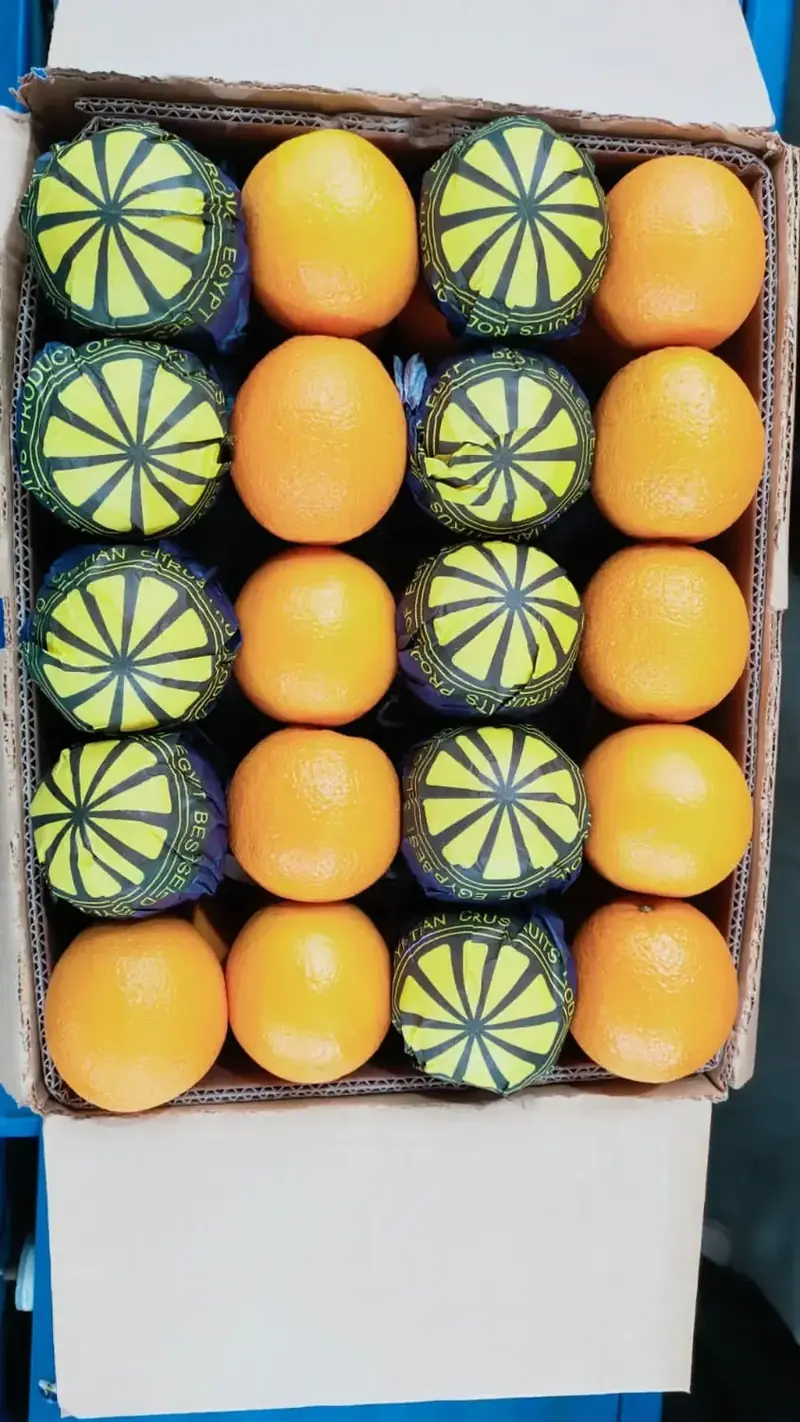
Quick answer: fresh fruit and vegetables sold in the EU generally need clear identification of the product name, country of origin, quality class and size where a marketing standard applies, and the packer or dispatcher, while pre-packed retail units add details such as net weight and the information the retailer requires. Traceability through lot codes is expected throughout the chain. Rules differ by product and change over time, so this is a general overview only: confirm the current requirements with the competent authority, your customs broker or a qualified adviser. This guide is not legal advice.
Why labelling matters
Labels do three jobs. They give inspectors and customs the information they need, they let retailers and consumers know what they are buying, and they make traceability and recalls possible. A shipment with unclear or missing labelling can be delayed, relabelled at cost or rejected, so it is worth agreeing the label content with your supplier before the first order. Our guide to MRL and phytosanitary documents covers the paperwork that travels with the goods.
Typical information on cartons
| Item | What it usually covers |
|---|---|
| Product name | Clear name of the fruit or vegetable, plus variety where required or useful |
| Country of origin | Full name of the country where the produce was grown |
| Quality class | Class under the applicable marketing standard, where one applies |
| Size | Size or calibre range, where the standard requires it |
| Packer or dispatcher | Name and address or an officially recognised code |
| Net weight or count | Declared quantity in the pack |
| Lot code | Code linking the carton to the farm, packhouse and date |
Not every item applies to every product. Marketing standards exist for many, but not all, fresh fruit and vegetables, and some products have specific rules.
Retail and consumer packs
Pre-packed produce sold to consumers usually needs more information: product name, origin, quantity, the business responsible, storage or handling advice where relevant, and any claims such as "organic" only if properly certified. Language requirements apply in the country of sale, so check whether labels must be in the national language. Our private label produce guide explains how retailer-branded packs are specified.
Traceability and lot codes
Traceability means being able to follow a lot one step back and one step forward in the supply chain. Use readable lot codes on cartons and keep records linking them to harvest date, farm, packhouse and shipment. Test the system with a mock recall so you know how quickly you can respond. Retailers often audit this, as described in our guide to supermarket supplier onboarding.
Packaging materials and claims
Labels and packaging should be suitable for cold and humid conditions so that print stays legible. Be careful with marketing claims: statements about organic production, residue-free or sustainability need proof and must follow the rules of the destination. See our export packaging guide for practical packaging choices.
How to check current rules
Start with the competent authority in the importing country, which usually publishes marketing-standard and inspection information. Your customs broker and the buyer's quality team can tell you what they expect in practice. Ask for a written label approval before printing a large run. Because rules are updated, record the date you checked and recheck before each season.
Common mistakes to avoid
Typical mistakes include missing or unclear origin, unreadable lot codes, labels printed in the wrong language, claims without certificates and changing the label after approval without telling the buyer. Another is relying on last year's label without rechecking the rules.
Labelling checklist
- Agree the full label content with the buyer before printing.
- Show product name, origin, class, size and packer details where required.
- Add a readable lot code linked to your records.
- Check the language rule for the country of sale.
- Use claims only with proper certification.
- Record when you checked the rules and recheck each season.
Putting this into practice
Start small and keep a written record. Begin with one product, one pack type and one shipment, then note what was agreed, what arrived and what you would change. Share that note with your supplier within a few days, while details are fresh, so that corrections are specific rather than general. Ask your logistics partner and your local adviser to confirm any rule that affects your market, because requirements and procedures change and differ between countries. This is general information, not legal advice.
Good labels protect the shipment, the customer and the brand. Agree them early, keep them legible and recheck the rules every season.
Labelling with Zaad Farms
We can discuss carton and pack labelling for lines such as oranges and mandarins according to your buyer's specification. Please confirm the current rules for your market before printing, and share your label requirements with us early.
When you plan a new season, send a sample label to the buyer and your adviser at least a few weeks before shipping. This gives time to fix errors without delaying loading and reduces the risk of costly relabelling at the port.
Frequently asked questions
What information is usually required on fresh produce cartons for the EU?
Typically product name, country of origin, quality class and size where a marketing standard applies, packer or dispatcher identification, quantity and a lot code. Check current rules for your product.
Do retail packs need more information?
Pre-packed consumer units usually need additional details such as quantity and the responsible business, and the retailer's own requirements. Language rules apply in the country of sale.
Is a lot code mandatory?
Traceability is expected throughout the chain, and a readable lot code on cartons is the practical way to achieve it. Confirm requirements with your buyer and authority.
Can I put an organic or residue-free claim on the label?
Only with proper certification and in line with destination rules. Do not use claims you cannot prove.
Who can confirm the current rules?
The competent authority in the importing country, your customs broker, the buyer's quality team or a qualified adviser. This guide is general information, not legal advice.
Can Zaad Farms prepare labelled cartons?
We can discuss carton and pack labelling according to your buyer's specification. Share your label requirements early and confirm current rules for your market.