
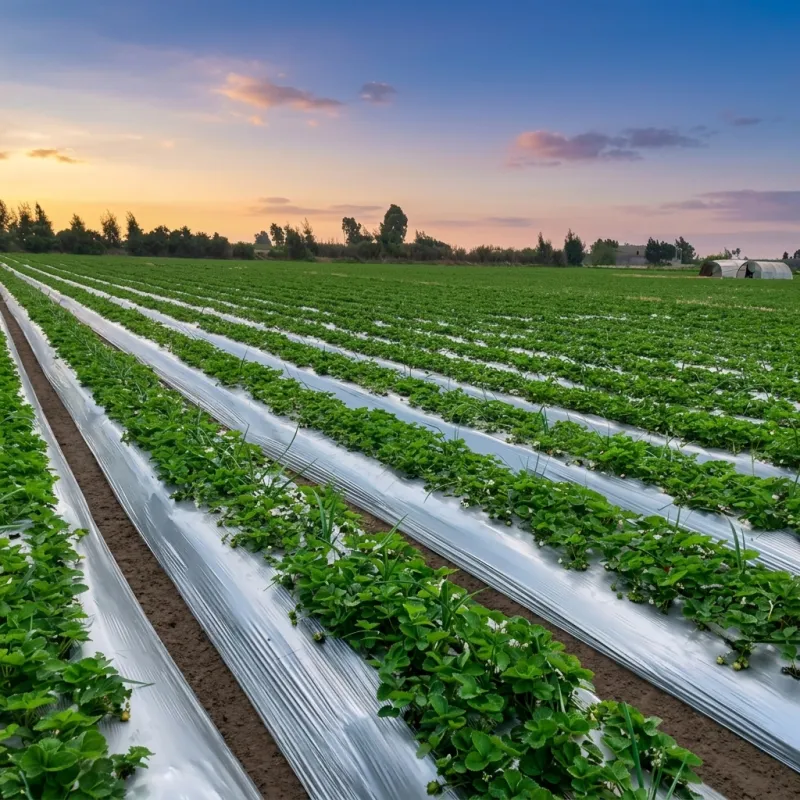
Quick answer: much of Egypt's newer export horticulture is grown on reclaimed desert land where water is the main limiting resource, so efficient irrigation, usually drip or other localised systems, is central to both yield and sustainability. For buyers, water management matters for three reasons: it shapes fruit quality and consistency, it affects the long-term reliability of supply, and it is increasingly part of retailer sustainability expectations. This guide is general information about common practice; practices and rules vary by farm, region and year, so ask each supplier for specifics rather than assuming.
Why water matters so much in the desert
Egypt receives very little rain across most of its land, and agriculture depends on irrigation from the Nile system and, on newer lands, often from groundwater. In arid conditions every litre has to be managed carefully. Too little water stresses the crop, reduces size and quality and can damage the tree or plant; too much wastes a scarce resource, leaches nutrients and encourages disease. Skilled water management is therefore a quality tool as well as an environmental one, and it is one reason well-run desert farms can produce consistent fruit.
Common irrigation methods
Several methods are used, and many export farms combine them with monitoring. Drip irrigation delivers water slowly to the root zone through emitters and is widely used for vegetables, berries, vines and orchards because it reduces evaporation and runoff. Micro-sprinklers wet a small area around trees and are used in some orchards. Centre-pivot sprinklers irrigate larger field crops on some reclaimed areas. Older flood or furrow irrigation is more common on traditional Nile-valley land and generally uses more water per unit of crop.
| Method | Typical use | Key point for buyers |
|---|---|---|
| Drip | Vegetables, berries, vines, orchards | Efficient, allows precise feeding |
| Micro-sprinkler | Tree crops such as citrus and mango | Wets a defined area, good for orchards |
| Sprinkler or pivot | Larger field crops | Efficient at scale on suitable soils |
| Flood or furrow | Traditional valley land | Higher water use per unit of crop |
Water sources and quality
Farms draw on surface water, canals, wells or a combination. Source matters for two reasons. First, availability and long-term sustainability: groundwater that is drawn faster than it recharges is a concern for the whole region, and responsible operators monitor levels and use. Second, quality: irrigation water can carry salts and microbial contamination, which affects crop health and food safety. Good practice includes testing irrigation water regularly for salinity and microbiological quality and recording results, which links to farm food-safety schemes; see our guide to GLOBALG.A.P. and farm food safety.
Fertigation, soil moisture and monitoring
Many modern farms apply fertiliser through the irrigation system, known as fertigation, which lets growers feed crops in small, frequent doses and reduce waste. Soil-moisture sensors, weather stations and evapotranspiration data help schedule irrigation to what the crop needs rather than to a fixed timetable. These tools do not guarantee good results, but they give growers evidence to adjust, and records of irrigation and fertiliser use support both quality control and audits.
How water management affects fruit quality
Irrigation timing influences size, sugar, firmness, skin condition and shelf life. Water stress at the wrong moment can cause small fruit or splitting after a sudden watering; excess water late in ripening can dilute flavour and reduce storage life. In citrus, grapes, pomegranates and berries, growers tune irrigation to the growth stage, which is one reason variety and region matter; see our guides to the seasonal calendar and to post-harvest handling for how quality is protected after picking.
Sustainability expectations from buyers
Large retailers increasingly ask suppliers about water use, energy, waste and labour practices, sometimes through questionnaires or audits. Typical questions concern irrigation efficiency, water-source monitoring, use of renewable energy for pumping, reduction of plastic and treatment of drainage water. Suppliers that can show records and clear policies are easier to approve. Sustainability claims should be specific and verifiable; be cautious of vague slogans without data, and see how our overview of organic and conventional sourcing relates to farm practices.
Questions to ask a supplier
- Which irrigation methods do you use for the crop I am buying?
- What are your water sources, and how do you monitor use and sustainability?
- Do you test irrigation water for salinity and microbiology, and how often?
- Do you use soil-moisture monitoring or weather data to schedule irrigation?
- Do you keep irrigation and fertigation records that can be shared on audit?
- What measures reduce water loss, such as mulching, drip lines or leak checks?
- Which sustainability or farm-assurance schemes do your growers follow?
Water is the quiet quality factor in desert horticulture. A supplier who can explain and document its irrigation usually has the rest of the farm in order too.
Farming questions with Zaad Farms
If you source grapes, pomegranates, mandarins or strawberries, tell us what sustainability information your customers ask for and we can discuss what is available. We do not claim certifications or practices we cannot document, so please request specifics for the farms supplying your product and verify them as part of your supplier approval, as in our guide to supplier audits and farm visits.
Frequently asked questions
Why is irrigation so important for Egyptian desert farms?
Rainfall is very low, so crops depend on managed irrigation. Efficient water use affects yield, fruit quality, consistency and the long-term sustainability of supply.
What is drip irrigation?
A system that delivers water slowly to the root zone through emitters, reducing evaporation and runoff compared with flood irrigation. It is widely used for vegetables, berries, vines and orchards.
Does water management affect fruit quality?
Yes. Irrigation timing influences size, sugar, firmness, skin condition and shelf life, so good water management supports consistent quality.
Does irrigation water need testing?
Good practice includes regular testing for salinity and microbiological quality, with records, because water can affect crop health and food safety.
What sustainability questions do retailers ask?
Typically about irrigation efficiency, water-source monitoring, energy use, waste and labour practices. Specific, documented answers are easier for buyers to approve.
Can Zaad Farms share irrigation and sustainability information?
Tell us your product and what your customers need and we will discuss what is available. We do not claim practices or certifications we cannot document, so please verify specifics during supplier approval.