
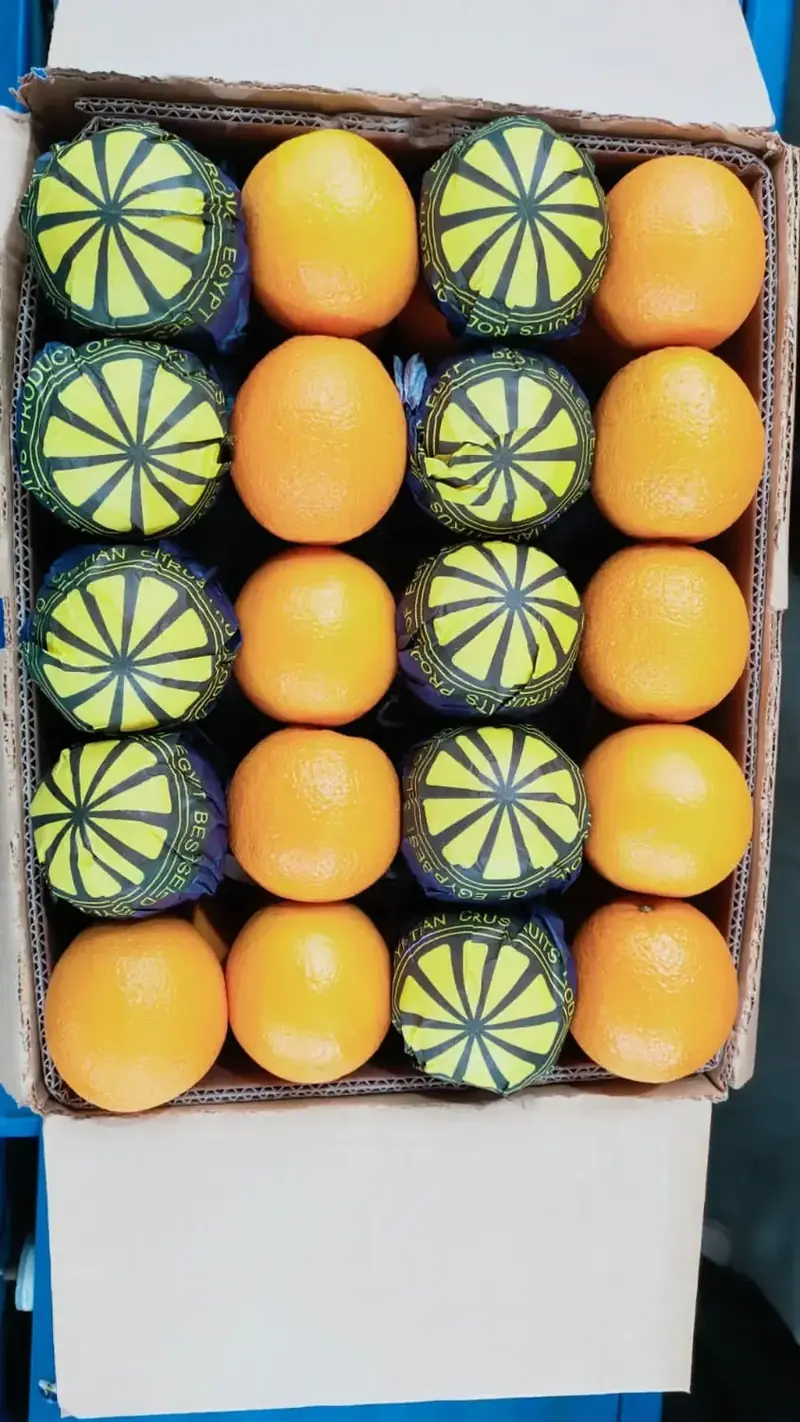
Quick answer: a minimum order quantity (MOQ) in fresh produce is usually set by the shipping unit rather than by the supplier's preference: most exporters work in full pallets and full containers, so the practical minimum is often one pallet for air or mixed orders and one container for regular sea freight. Suppliers set minimums because harvesting, grading, packing, cooling and documentation have fixed effort whatever the size of the order, and because a half-empty container costs nearly as much to move as a full one. Importers can often work within MOQs by mixing products in one container, sharing with other buyers, starting with a trial order or agreeing a programme over a season. This guide is general information; each supplier sets its own terms, so always confirm in writing.
Why MOQs exist in fresh produce
Unlike dry goods, fresh produce cannot sit in a warehouse waiting for the next order. It is harvested, packed and shipped within a short window, and every step has a fixed setup effort: crews, grading lines, cold rooms, quality checks and export paperwork. Small orders spread that effort over fewer cartons. Container space is the other driver: a refrigerated container has a fixed hire cost whether it carries a few pallets or a full load. Understanding these two drivers helps you see which minimums are firm and which are negotiable. For container details, see our guide to container loading for 20ft and 40ft reefers.
How MOQs usually look in practice
The table below shows typical patterns, not fixed rules. Actual minimums vary by product, season and supplier.
| Order type | Typical minimum basis | Notes |
|---|---|---|
| Sample or trial | A few cartons, sometimes by air | Often priced differently; see our note on samples |
| Mixed pallet order | One or more pallets per product | Several products can share a container |
| Single product container | One full 20ft or 40ft reefer | Standard for regular sea shipments |
| Private label programme | Per container, plus packaging run size | Packaging may carry its own minimum |
| Season programme | Agreed volume spread over weeks | Gives supplier planning certainty |
Pallet, carton and container logic
MOQs are easier to plan when you think in units. A pallet holds a set number of cartons depending on carton size and the product. A container holds a set number of pallets. Ask your supplier for the cartons per pallet and pallets per container for each product, then work out what a sensible order looks like. Because carton sizes differ by product, a mixed container may need careful planning so pallets stay stable and temperatures remain compatible. Our LCL versus FCL guide for small importers explains the options when you cannot fill a container with one product.
Ways to work within a minimum
If the stated MOQ is larger than your demand, there are practical routes. You can combine several products into one mixed container, provided they are compatible. You can pool an order with other importers or a distributor. You can start with a small trial and scale up as sales prove demand. You can also agree a season programme with scheduled shipments, which many suppliers value because it gives them planning certainty. See our guide to annual contracts and season planning for how this works.
Packaging and private label minimums
Custom packaging often has its own minimum, set by the printer or carton maker. If you want your own brand on cartons or bags, ask about the packaging run size as well as the produce volume. Our private label programme guide explains the typical steps. Standard export cartons usually have much lower minimums than custom printed ones.
Negotiating sensibly
Suppliers are more flexible with buyers who show commitment and predictability. Share your expected annual volume, even if the first order is small. Be clear about your target market and timing. Offer flexibility on product, size or packing where you can. Pay attention to season: minimums are often easier near the start or end of a season, or when a supplier has spare capacity, and harder at the peak. Always confirm any exception in writing. For general import steps see our fresh produce import guide.
Checklist for a first order
- Ask for cartons per pallet and pallets per container for each product.
- Check whether the minimum applies per product or per order.
- Ask whether mixed containers or pooled orders are possible.
- Clarify packaging minimums if you want custom branding.
- Agree sample or trial terms before committing to larger volumes.
- Share your expected season volume to improve flexibility.
- Get all terms confirmed in writing.
A minimum order is usually a logistics fact, not a barrier. Understand the pallet and container behind it and you will see where the flexibility is.
Working with Zaad Farms
We can discuss order sizes for products such as oranges, onions, potatoes and grapes. Tell us your market, product and target volume and we will talk through realistic options. Always confirm current availability, specifications and terms before ordering.
Frequently asked questions
What is a minimum order quantity in fresh produce?
The smallest order a supplier will accept, usually based on pallets or a full container because harvesting, packing and shipping have fixed effort and cost.
Why do suppliers insist on full pallets or containers?
Handling and refrigerated container space have fixed costs, and a partly empty container costs nearly as much to move as a full one. Full pallets also protect the product in transit.
Can I order less than a container?
Often yes, by mixing products in one container, pooling with other buyers, ordering by air for small volumes, or starting with a trial order. Confirm options with your supplier.
Do private label orders have higher minimums?
Often, because custom packaging has its own run size set by the printer or carton maker. Ask about packaging and produce minimums separately.
How can I negotiate a lower minimum?
Share your expected annual volume, be flexible on product or packing, consider timing near the start or end of the season, and propose a season programme. Confirm any exception in writing.
Can Zaad Farms discuss order sizes?
Yes. Tell us your market, product and target volume and we will talk through realistic options. Confirm availability and terms before ordering.