
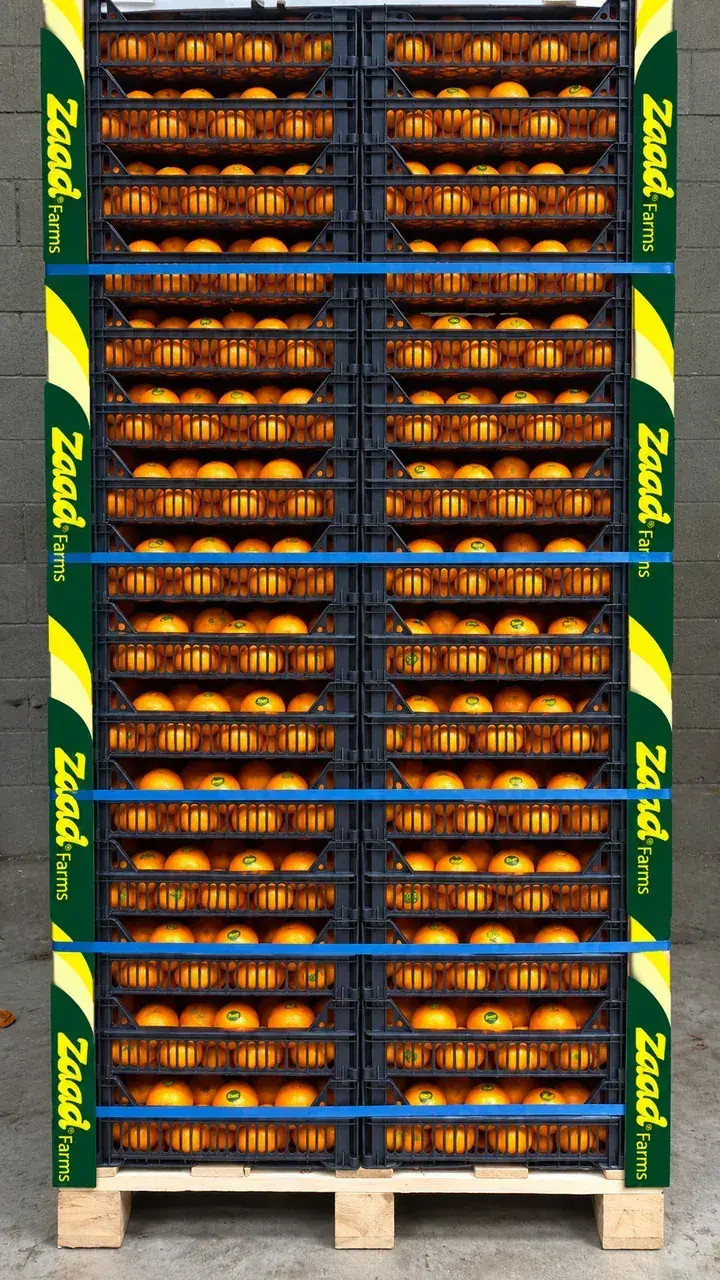
Quick answer: for fresh produce, full container load (FCL) in a refrigerated container is the normal and safest option, because most fresh fruit and vegetables need continuous temperature control that standard less-than-container-load (LCL) consolidation cannot reliably provide. LCL means your cargo shares a container with other shippers' goods and is handled at consolidation depots at both ends, which adds time and handling. That is fine for some dry or frozen goods but risky for perishables. Small importers usually get better results by ordering a mixed container of several products, joining a shared programme with other buyers, or using air freight for small urgent volumes. This guide is general information; confirm options with your freight forwarder and supplier.
What LCL and FCL actually mean
Full container load means one buyer, or one consolidated order, fills a whole container, usually a 20-foot or 40-foot unit. The container is loaded at the packing house or cold store, sealed, and opened at the destination. Less-than-container-load means a forwarder combines several small shipments into one container. Cargo is delivered to a consolidation warehouse, loaded with other goods, shipped, then unloaded and separated at a deconsolidation warehouse before delivery to each consignee. For the container basics, see our guide to container loading for 20ft and 40ft reefers.
Why LCL is difficult for fresh produce
Fresh fruit and vegetables are living products. They need to be cooled quickly after harvest, held at the right temperature and ventilated correctly all the way to destination. Standard LCL services usually run in non-refrigerated containers or in containers set for one temperature, and the extra handling at consolidation depots means pauses outside the cold chain. Mixed cargo can also carry odours or ethylene that affect sensitive produce. For these reasons, LCL is rarely offered for fresh produce, and where it is offered it tends to suit only hardy items with long shelf life and short transit. Our cold chain and reefer guide explains why continuous temperature control matters.
Comparing the main options
| Option | Best for | Main risk |
|---|---|---|
| FCL, single product reefer | Regular buyers with enough volume to fill a container | Volume commitment and storage on arrival |
| FCL, mixed products in one reefer | Importers wanting variety, such as several citrus types | Products must be compatible in temperature and ethylene sensitivity |
| Shared or joint container | Several small buyers pooling one order | Needs coordination and clear responsibilities |
| LCL consolidation | Hardy, long-life goods only, if offered at all | Handling gaps and temperature control limits |
| Air freight | Small, urgent, high-value volumes | Higher transport cost per unit and tight handling windows |
Mixed containers: the practical middle path
A common solution for small importers is a mixed reefer container carrying two to four compatible products. Compatibility depends on the temperature each product needs, how sensitive it is to ethylene and whether strong odours could transfer. Citrus items often travel together well, while some fruits and vegetables should not share a container. Packing must also fit the pallet layout, so agree carton sizes early. Our guide to export packaging covers formats that stack well. Always ask your supplier which combinations they have shipped successfully.
Sharing a container with other buyers
If you cannot fill a container yourself, you can coordinate with other importers or a distributor to share one. This works best when buyers are in the same city or port and want similar products. Agree who handles customs, how cargo is split on arrival, who is responsible if quality is disputed and how any shortfalls are handled. Without clear rules, shared containers can cause disagreements. A trusted distributor or freight forwarder can act as coordinator.
When air freight makes sense
For very small or urgent volumes, air freight can work, especially for high-value, short-life items. It costs more per kilogram and requires tight coordination, but it avoids the minimum volume of a container. See our comparison of air and sea freight for produce to decide.
Start with samples and realistic volumes
If volume is the obstacle, begin with a smaller trial and grow. Many suppliers have minimum order quantities, so read our note on minimum order quantities, and consider a staged plan using sample orders before bulk. For general import steps, see our fresh produce import guide.
A checklist before you choose
- Confirm the temperature and ventilation each product needs.
- Ask whether your forwarder offers reefer LCL at all and under what conditions.
- Check product compatibility before mixing in one container.
- Agree pallet and carton sizes with your supplier.
- Plan storage and distribution on arrival before booking.
- For shared containers, agree responsibilities in writing.
- Keep temperature records and loading photographs.
For perishables, the cheapest-looking shipping option is not the cheapest if the cold chain breaks. Choose the format that protects quality first.
Small orders with Zaad Farms
We can discuss mixed programmes using products such as oranges, mandarins, lemons and pomegranates. Tell us your market, expected volume and target dates and we will talk through realistic options. Always confirm current availability, specifications and import rules for your market before ordering.
Frequently asked questions
Can fresh produce be shipped as LCL?
Rarely. Standard LCL consolidation involves extra handling and often no continuous refrigeration, which is risky for most fresh fruit and vegetables. Ask your forwarder what is actually offered and for which products.
What is the safest option for a small importer?
A reefer container, either mixed products from one supplier or a container shared with other buyers, is usually safer than LCL. Air freight can suit small urgent volumes.
Can I mix different products in one reefer?
Often yes, if products share compatible temperature and ventilation needs and are not sensitive to each other's ethylene or odours. Ask your supplier which combinations they have shipped successfully.
How does a shared container work?
Several buyers pool one order, usually through a coordinator such as a distributor or forwarder. Agree customs handling, cargo split, quality responsibility and shortfall rules in writing beforehand.
What if my volume is below a container?
Consider a mixed container, a shared programme, air freight for urgent items, or a staged trial that grows over time. Check supplier minimum order quantities early.
Can Zaad Farms support smaller importers?
We can discuss mixed programmes and realistic options based on your market and volume. Confirm availability, specifications and import rules before ordering.