
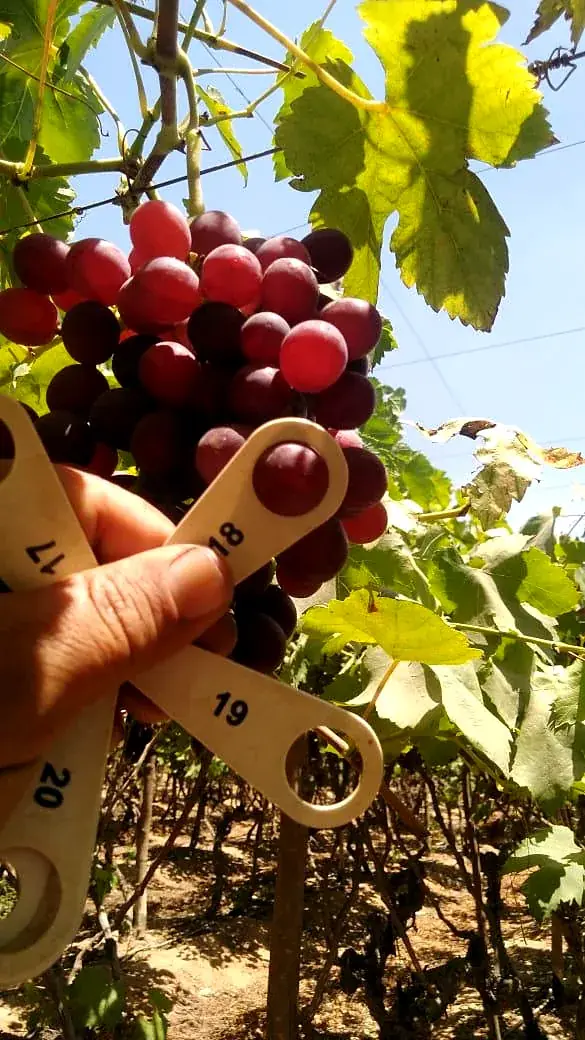
Quick answer: before committing to a full container, test a new produce supplier in three steps: first review the written specification and recent photos, then evaluate a physical sample taken from a real lot, and finally run a small trial shipment under the exact terms you plan to use for bulk orders. The aim is not to find a perfect carton; it is to find out whether the supplier can deliver the same quality, packing and documents again and again. A sample that is better than normal production proves little, so ask how it was selected. This guide is general information; adapt it to your product, market and contract.
Why samples matter more for fresh produce
With manufactured goods, a sample from the line is usually identical to the next thousand units. Fresh produce is different. Size, colour, sugar level and shelf life vary between orchards, harvest dates and even the position of a carton on a pallet. A good sample tells you what the supplier can do on a good day; a good programme tells you what the supplier does on every day. That is why careful buyers use samples to test processes and honesty, not only fruit. How a supplier prepares, packs, labels and documents a small order often predicts how a large one will go.
Three kinds of sample
Desk sample. A written specification, product photos, packing options and a recent inspection report. It costs nothing and quickly shows whether the supplier understands your market. Ask for photos of the actual lot, with a date, rather than library images.
Physical sample. A small quantity sent by courier or carried by a visitor so that you can taste, measure and test shelf life. Perishable samples are only useful if they arrive in good condition, so agree packaging and transit time in advance and check the import rules for samples in your country, since plant products often need documentation even in small quantities.
Trial shipment. A first, smaller commercial order, for example a part-load or a single pallet-count container, shipped under the same terms as the bulk programme. It tests the full chain: farm, packhouse, cold storage, loading, transport, documents and arrival. Our guide to minimum order quantity explains why some products cannot be split below a certain size.
| Sample type | What it tests | What it cannot tell you |
|---|---|---|
| Desk sample | Specification, packing options, supplier understanding | Actual eating quality and shelf life |
| Physical sample | Appearance, size, taste, short shelf life | Performance in a long sea voyage |
| Trial shipment | Full chain, documents, cold chain, consistency | Behaviour across a whole season |
How to make the sample representative
Ask the supplier how the sample was chosen. A representative sample comes from the lot that would actually be shipped, drawn from several cartons and positions, packed in the carton you would receive. Be wary of a sample hand-picked for appearance. You can reduce the risk by naming the lot or harvest date you want, asking for a few extra cartons beyond the display one, and requesting a photo of the pallet from which they were taken. For a clear method, see our guide to pre-shipment inspection, which uses the same logic for full orders.
What to check when the sample arrives
Record the condition at arrival first, including temperature and packaging state. Then measure what matters for your market: size grade, colour, firmness, sugar and acidity where relevant, defects by type and the count of damaged pieces in a defined number. Store part of the sample under your normal conditions and check again after several days to estimate shelf life. Compare everything with the written specification, not with an impression. Our arrival checklist works for samples as well as for containers.
Checking the supplier, not only the fruit
Use the sample stage to test the paperwork and communication. Did the supplier answer quickly and clearly? Were labels, packing and documents as agreed? Could they explain where the produce was grown and packed, and which certificates apply? A supplier who is vague on a small order is unlikely to be precise on a large one. Our guide to choosing a reliable Egyptian produce supplier lists further questions worth asking.
Moving from sample to bulk
Before the first bulk order, write down what the sample proved and what it did not. Agree that the bulk specification matches the sample and say how deviations will be handled. Many buyers start with one container and expand only after a second shipment confirms consistency. Align payment terms with the stage of trust; our guide to payment terms and letters of credit explains common options. Also agree in advance how quality claims will be evidenced, as set out in quality claims and disputes.
A short checklist for a sample programme
- Write the specification you want the sample to meet.
- Ask how the sample was chosen and from which lot.
- Agree packaging, transit method and any import documents in advance.
- Record condition and temperature at arrival.
- Measure size, colour, firmness and defects against the specification.
- Keep part of the sample to check shelf life after several days.
- Evaluate response time, labelling and paperwork.
- Write down what the sample proved and what it did not before ordering bulk.
A sample proves that a supplier can do it once; a trial shipment starts to prove that they can do it every time.
Starting with Zaad Farms
If you are testing a new source, tell us your market, packing preference and target specification and we will discuss sample and trial options for products such as grapes, strawberries, mandarins and pomegranates. For the whole import process, read our import guide.
Frequently asked questions
Why not just order a full container to test a supplier?
A full container exposes you to the largest loss if quality or documents disappoint. A staged approach of desk sample, physical sample and trial shipment limits that risk.
How big should a sample be?
Large enough to measure size, colour, firmness and defects and to keep some for a shelf-life check. Agree the quantity with the supplier based on the product.
What is a golden sample?
A sample better than normal production, often hand-picked. Ask how the sample was chosen and request one drawn from the actual lot to avoid being misled.
Do I need import documents for a small sample?
Often yes, because plant products may need documentation even in small quantities. Check the rules in your country before the sample is sent.
When should I move from a trial shipment to regular orders?
When the sample and trial shipment match the specification and the supplier handled paperwork and communication well, many buyers confirm with a second shipment before expanding.
Can Zaad Farms discuss sample and trial options?
Yes. Tell us your market, packing preference and specification and we will discuss what is possible for your product.