
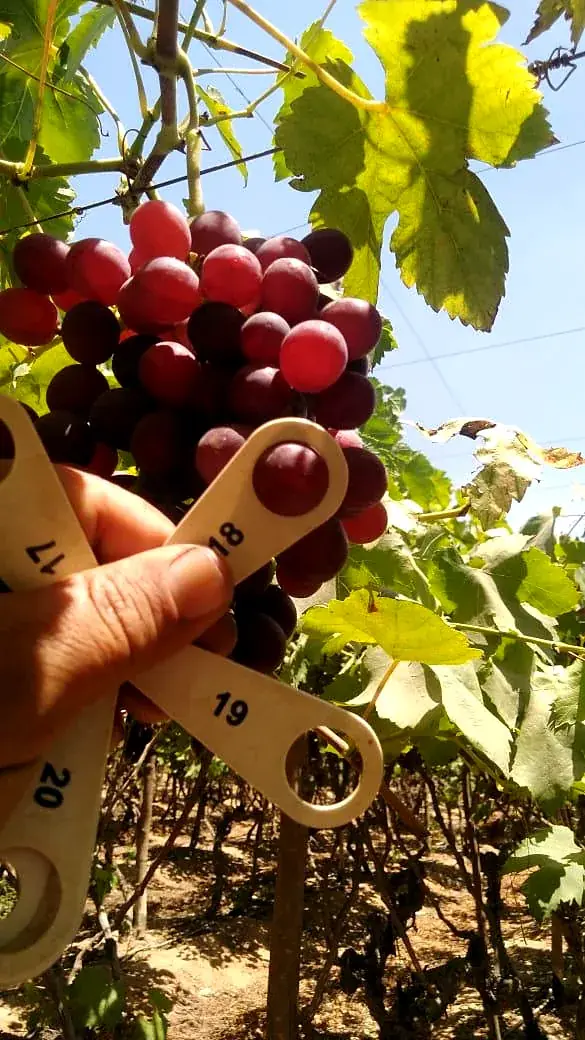
Quick answer: a pre-shipment inspection is an independent check of the goods at the packing house or the loading point, before the container is sealed. For fresh produce it normally covers size and grade, colour and maturity, defects, fruit temperature, packaging and labelling, pallet quality and the loading plan, and it ends with a written report and photographs. It costs a small fraction of the cargo value and is the best protection against disputes after arrival.
Why inspect before loading
Once a reefer container is sealed and on the vessel, any quality problem becomes a claim: you have to prove when the damage happened, negotiate with the supplier, and perhaps involve an insurer. Before loading, the same problem is simply a conversation. The packing house can re-sort a pallet, replace damaged cartons or adjust the pre-cooling in a few hours. Fresh produce makes this even more important because it keeps changing: a fruit that looks fine at the packing line can be borderline after eighteen days at sea if its starting condition, temperature or maturity was not right.
Who can perform the inspection
There are three common options. The first is an independent inspection company that sends a surveyor to the packing house and issues a report you can use in a claim. The second is your own representative or agent in Egypt, who knows your specification. The third is a live video inspection, where the supplier shows cartons, pallets and the loading in real time. For first orders and high-value crops, an independent surveyor is the safest choice; for repeat orders, a video check from a trusted supplier may be enough. Whichever you choose, agree in the contract that the inspection result at loading is the reference point.
What the inspector checks
| Area | What is checked | Typical evidence |
|---|---|---|
| Size and grade | Calibre range and grade against the written specification, in a random sample from several pallets | Measured samples, count per carton, photographs |
| Colour and maturity | Colour stage, firmness, and brix or acidity when relevant | Colour chart, firmness readings, refractometer results |
| Defects | Rot, mould, bruising, skin damage, sunscald, pests, within agreed tolerance | Defect count and percentage by category |
| Temperature | Pulp temperature after pre-cooling and at loading | Probe readings with time and pallet number |
| Packaging | Carton strength, liners, labels, net weight per carton | Weighed cartons, label photographs |
| Pallets | Pallet type, corner boards, strapping, height and stability | Pallet photographs, pallet count |
| Container | Cleanliness, odour, reefer function, set-point, vents, seal number | Container checklist, seal and container numbers |
| Documents | Invoice, packing list, origin and phytosanitary details match the goods | Document copies and cross-check |
Sampling and tolerances
An inspector does not open every carton. They draw a random sample from different pallets and positions, so that a few good cartons on the outside do not hide a problem inside. Your specification should say how many cartons are sampled, which defects count, and what percentage is acceptable. For example, you can set a limit for minor surface marks that does not affect eating quality, and a stricter limit for rot or mould, which is not acceptable at all in most programmes. The clearer the specification, the easier it is for the inspector to give a clear pass or fail. Our guides on citrus packing and sizes and table grape varieties and packing list typical size and quality points for those crops.
Temperature and the cold chain at loading
Pulp temperature at loading is one of the most important numbers in the report. A reefer unit is designed to hold the temperature of the cargo, not to cool down warm fruit quickly. If pallets arrive warm at the loading dock, the container cannot correct it, and the fruit will spend the first days of the voyage in poor condition. The inspector should record the pulp temperature of several pallets, confirm that the pre-cooling record exists, and check that the container was pre-cooled to the set-point before loading. See our reefer temperature guide for the common set-points by crop, and agree the exact figure in the contract.
Packaging, labelling and pallets
Poor packing causes many claims that look like quality problems. Weak cartons collapse in the stack, wrong ventilation holes block airflow, and loose or uneven pallets shift during transit. The inspector should confirm that cartons match the approved design, that net weight is correct, that labels carry the right product, origin, class and lot code, and that pallets are stable and correctly strapped. Our packaging guide explains how cartons and pallets should be built for export.
The inspection report
A useful report is short and specific. It should state the date, place, product, lot and pallet numbers, the sample size, the measured results against each specification line, photographs of representative cartons and defects, pulp temperatures, the container and seal numbers, and a clear conclusion: pass, pass with comments, or fail. If it fails, the report should say what must be corrected and a re-inspection date. Keep the report together with the bill of lading and the documents described in our guide to export documents for Egyptian produce, because you will need them if a claim ever arises.
How to organise an inspection with your supplier
- Agree the inspection method, the inspector and the cost split in the contract before ordering.
- Send the specification and acceptable tolerances in writing, in the same language as the report.
- Give the supplier the loading date well in advance so the inspector can attend the actual loading.
- Ask for photographs of the sealed container and the seal number as a final record.
- Review the report before the vessel is booked to depart, so any correction is still possible.
Inspect at loading, with a written specification and a written report. That single habit prevents most produce disputes.
Our approach at Zaad Farms
We invite buyers to nominate their own inspector for each loading and share packing-house photographs, pulp-temperature records and the loading plan with every shipment. If you would like to set an inspection process for your first order of oranges, grapes or any other product, contact us with the product, volume and your quality requirements.
Frequently asked questions
What is a pre-shipment inspection for fresh produce?
An independent check at the packing house or loading point, before the container is sealed, covering size, grade, defects, temperature, packaging, pallets and documents, with a written report and photographs.
Who should carry out the inspection?
An independent inspection company is the safest option, especially for a first order. A representative of yours in Egypt or a live video inspection can suit repeat orders with a trusted supplier.
Does the inspector check every carton?
No. A random sample is taken from different pallets and positions, using the size and tolerances written in your specification.
Why does pulp temperature at loading matter?
A reefer holds the temperature of the cargo; it cannot cool warm fruit quickly. Fruit loaded warm will spend the first days of transit in poor condition.
What should the inspection report include?
Date, place, product and lot numbers, sample size, measured results versus the specification, photographs, pulp temperatures, container and seal numbers and a clear pass or fail conclusion.
Can a buyer send an inspector to Zaad Farms?
Yes. We welcome buyer-nominated inspectors at loading and share photographs and temperature records with each shipment.