
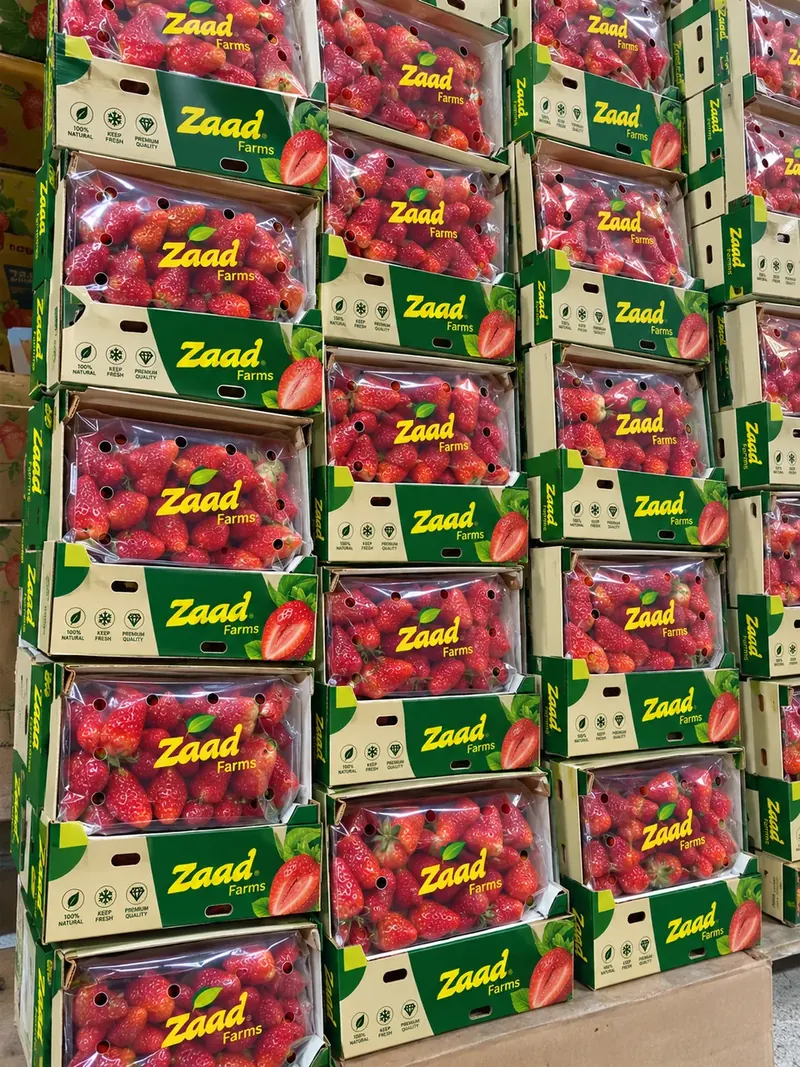
Quick answer: when a reefer container of fresh produce arrives, do five things in order: check the seal and container condition before opening, download the temperature record, measure pulp temperature, sample cartons using an agreed method, and photograph and document everything before the goods are moved. Most disputes are decided by evidence collected in the first hours, so a calm, systematic arrival check protects both the importer and the supplier. This checklist is general guidance; follow the terms of your contract and any applicable insurance or claims deadlines.
Why the first hours matter
Fresh produce is a living product that keeps changing after it leaves the farm. By the time a container reaches the importer, it has been through packing, cold storage, loading, a sea voyage and port handling. If something has gone wrong, whether a temperature deviation, rough handling or simply a crop that was past its best at harvest, the evidence is clearest at arrival and fades quickly. Once pallets are moved, mixed with other stock or left outside refrigeration, it becomes very hard to say what caused a problem. Equally, a well-documented good arrival protects the supplier from unfounded claims. A routine checklist applied to every container is the simplest way to achieve both.
Before the container is opened
Start at the container doors, not the cartons. Compare the seal number on the container with the number on the bill of lading and the packing documents. Photograph the seal, the doors and the exterior, noting any dents, damage or signs of tampering. Check that the refrigeration unit is running and read the display: set point, supply air and return air temperatures. Record the time and the readings. If the seal is broken, the numbers do not match or the unit is not running, stop, photograph, and inform the carrier, the supplier and any surveyor before continuing. These steps take minutes and are often the most valuable record you will have.
Temperature records
Modern reefers and many shipments carry data loggers that record temperature during the voyage. Download the record and keep a copy before the unit is unplugged. Compare it with the agreed carrying temperature and look for gaps, spikes or long periods above or below set point. Our guide to reefer temperature management explains the settings usually used for different crops. A record that stays within range supports a quality-based explanation if a problem appears, while a deviation points to a carrier or equipment issue, which has different insurance and liability consequences.
Pulp temperature and visual check
When the doors are opened, measure the pulp temperature of produce at several positions, using a calibrated probe: front, middle and back, top and bottom, and near the doors. Record each reading with its location. Note the smell and any condensation, mould or visible decay. Look at pallet condition: leaning, crushed cartons, wet or broken boxes, collapsed corners, or signs that air could not circulate. Our guides to container loading and pallet standards explain how good loading helps airflow and what poor loading looks like.
Sampling: how to open cartons fairly
Agree the sampling method in the contract before shipment, where possible. A common approach is to select cartons from several pallets and positions, not only the most accessible ones, and to open a fixed number or percentage per pallet. Open the cartons, count and weigh a defined sample, and record defects by type, such as decay, bruising, skin damage, shrivel, sprouting, size outside range or wrong grade. Photograph each sample with a label showing the pallet and carton number. Compare the results against the written specification, not against general expectation. Our guide to pre-shipment inspection describes the same method applied at origin, which makes comparisons simple.
| Check | What to record | Why it matters |
|---|---|---|
| Seal and container condition | Seal number, photos of doors and exterior | Shows the container was not opened or damaged |
| Reefer display and data logger | Set point, supply and return air, downloaded record | Shows temperature history during the voyage |
| Pulp temperature | Readings with locations and times | Shows the actual condition of the produce |
| Pallet and carton condition | Photos of damage, wet cartons, leaning pallets | Separates handling damage from quality issues |
| Quality sample | Counts, weights, defects by type, labelled photos | Provides evidence for any claim |
| Quantity check | Pallets and cartons against packing list | Detects shortages or overages |
Protecting the cold chain after the check
Do the inspection without leaving the produce warm for long. Plan the unloading so that pallets move quickly from the container to a cold store, and keep the container doors open only as long as necessary. If a surveyor is attending, schedule them in advance so the inspection happens before the goods are moved. For products such as strawberries or grapes, where shelf life is short, speed between arrival and refrigeration is as important as the check itself.
Raising a claim properly
If the produce does not meet the specification, notify the supplier and the carrier promptly, in writing, within the deadline in your contract, and attach the evidence: seal and container photos, temperature record, pulp readings, sample counts, labelled defect photos and, if used, the surveyor's report. State the facts and the quantity affected rather than making accusations. Do not dispose of the affected produce until the supplier or surveyor has had a reasonable chance to inspect, unless it is a safety risk. Our guide to quality claims and disputes explains common outcomes and how to reach a fair settlement.
A short checklist to print
- Seal number matches the documents; photograph doors and exterior.
- Record reefer display readings and download the data logger.
- Measure pulp temperature at several positions and note times.
- Inspect pallets and cartons for damage, moisture and decay.
- Sample cartons from several pallets using the agreed method and photograph with labels.
- Count pallets and cartons against the packing list.
- Move goods quickly to cold storage and keep all records together.
- Notify the supplier and carrier in writing if there is a problem.
The importer who documents every arrival the same way ends up with fewer disputes, faster settlements and better suppliers.
Working with Zaad Farms on arrival quality
We welcome clear arrival reports and will work with you on any issue. Ask us for our packing specifications and loading photos for your next order, and see our products such as oranges and potatoes. For the full import process, read our import guide.
Frequently asked questions
What should I check first when a reefer container arrives?
The seal number and container condition, then the reefer display and data logger, before opening the doors fully or moving any pallets.
How do I measure the temperature of the produce?
Use a calibrated probe to take pulp temperature at several positions in the container, such as front, middle, back, top and bottom, and record each reading with its location and time.
How many cartons should I sample?
Agree the method in the contract if you can. A common approach is to open a fixed number or percentage of cartons from several pallets and positions, not only the easiest to reach.
Why photograph everything?
Photos with labels and timestamps are strong evidence in any claim and also protect the supplier from unfounded complaints.
When should I notify the supplier of a problem?
As soon as possible after the check, in writing and within the deadline in your contract, with the evidence attached.
Can Zaad Farms provide loading photos and specifications?
Yes. Ask us for the packing specification and loading photos for your order and we will share them.