
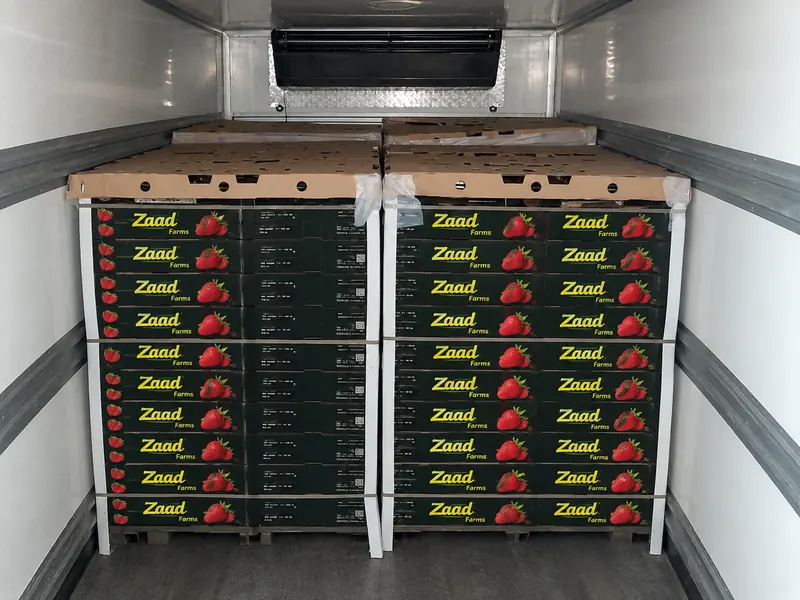
Quick answer: a fresh produce quality claim is usually settled on four things: the written specification in the contract, inspection evidence from origin, inspection evidence at arrival, and the temperature record of the journey. The buyer should notify the supplier in writing within the contract deadline, with dated photos, counts and records; the supplier should respond quickly and examine the evidence fairly. Most claims end in a negotiated outcome such as a credit, a price adjustment or, where the goods are unusable, a replacement or refund. This guide is general information, not legal advice; always follow your contract and the rules that apply to it.
Why disputes are common in produce, and why most are avoidable
Fresh produce changes continuously, takes days or weeks to travel and passes through many hands. That makes disagreement likely: was the fruit already weak when loaded, or did it suffer in transit? Was a defect within tolerance? Most disputes are not about bad faith. They come from unclear specifications, missing evidence or a long gap between loading and inspection. The more precisely both sides write down quality, packing and inspection method beforehand, the fewer arguments they have afterwards.
Start with the specification
A claim can only be judged against a standard. A good specification lists size range, colour, firmness, sugar or acidity where relevant, permitted defect levels by type, packing format and labelling. It also says how samples are taken and how many damaged pieces are acceptable before a claim arises. Without this, a buyer and supplier may each be sure they are right. Our guide to pre-shipment inspection shows how specifications are checked before the container closes.
The four pieces of evidence
Origin inspection. A report or photos from loading show what the produce looked like when it left. It is the supplier's best protection and the buyer's best baseline.
Arrival inspection. Dated photos, temperature readings, sample counts and a note of pallet and carton condition from the destination. Our arrival checklist explains how to collect these before the goods are moved.
Temperature record. A data-logger or reefer record shows whether the cold chain held. It often decides whether the cause was quality at origin or a problem in transit. See our reefer and cold chain guide.
Traceability. Lot codes and packing records show which orchard, packing date and pallet the affected cartons came from, helping to separate an isolated problem from a general one. See traceability and lot coding.
| Evidence | Who usually provides it | What it helps show |
|---|---|---|
| Written specification | Both, in the contract | The standard the goods are judged against |
| Origin inspection report and photos | Supplier or third-party inspector | Condition at loading |
| Arrival photos, counts, temperatures | Buyer or surveyor | Condition at destination |
| Data-logger or reefer record | Carrier or supplier | Whether the cold chain held |
| Lot codes and packing records | Supplier | Which lots are affected |
Who bears the risk in transit
The delivery term in the contract usually decides when risk passes from seller to buyer, and therefore who looks to the carrier or insurer for transit damage. Our guide to Incoterms for fresh produce explains FOB and CIF. In general, a quality fault present at loading points to the supplier, while damage that occurred during carriage points to the carrier or insurance. Disputes arise in the grey area between them, which is why origin and arrival evidence matter so much. Terms vary between contracts, so read yours carefully.
Raising a claim well
Notify the supplier in writing as soon as the problem is confirmed and within the contract deadline. State the facts: container and lot numbers, date of arrival, what was found, the quantity affected and the evidence attached. Avoid accusations. Do not discard or sell the affected produce before the supplier or an independent surveyor has had a reasonable chance to inspect it, unless it is unsafe or rapidly spoiling; in that case, document it thoroughly and tell the supplier what you intend to do and why. A calm, factual claim is settled faster than an angry one.
Responding to a claim fairly
Suppliers should acknowledge the claim quickly, review the evidence against their own origin records and ask for anything missing. If the evidence supports the claim, say so. If it does not, explain why with data, not denial. Offering an independent surveyor, agreed by both sides, often resolves honest disagreements. Fair handling of a claim is one of the strongest signs of a reliable supplier, and buyers remember it.
Typical outcomes
Most claims are settled by negotiation. Common outcomes include a credit note against a later order, a price adjustment for the affected quantity, a replacement shipment where practical or, in serious cases, a refund. Where the parties cannot agree, contracts often point to an independent survey, mediation or arbitration. Settlements go smoothly when the contract has already named the method. Keep payment and quality terms clear, as our guide to payment terms explains, so that a dispute on one pallet does not block the whole shipment.
Preventing disputes before they start
Prevention is cheaper than settlement. Write a precise specification, inspect before loading, load and pack to a recognised method, keep the cold chain unbroken, record the journey, inspect on arrival and communicate openly. After any dispute, both sides should note what the evidence showed and change the process, so the same issue does not return next season.
A short checklist for handling a claim
- Check the contract for the claim deadline and the required form of notice.
- Collect dated photos, counts, temperatures and the data-logger record.
- Identify container, lot and pallet numbers of the affected cartons.
- Notify the supplier and carrier in writing with facts and evidence.
- Keep the affected produce available for inspection where safe.
- Agree an independent surveyor if the parties disagree.
- Settle in writing and record what changes for future shipments.
The best claim is the one prevented by a clear specification and good records on both sides.
Working with Zaad Farms on quality
We welcome clear arrival reports and work through any issue with you using the evidence. Ask us for packing specifications and loading records for products such as strawberries, oranges, grapes and potatoes. For the full process, read our import guide.
Frequently asked questions
How quickly must I report a quality problem?
As soon as it is confirmed and within the deadline in your contract. Late notice can weaken a claim, so check the contract before the goods arrive.
What evidence do I need for a claim?
Dated photos, temperature readings, sample counts, the data-logger record, container and lot numbers and, where used, an independent surveyor's report, all compared with the written specification.
Who is responsible if the fruit was damaged in transit?
It depends on the delivery term and insurance in your contract. Quality faults present at loading usually point to the supplier, while transit damage may point to the carrier or insurer.
Should I throw away the affected produce?
Not before the supplier or a surveyor has had a reasonable chance to inspect it, unless it is unsafe or spoiling fast. In that case, document it thoroughly and tell the supplier.
How are most claims settled?
Usually by negotiation, for example a credit note, a price adjustment for the affected quantity or a replacement. Contracts may also name an independent survey, mediation or arbitration.
Can Zaad Farms provide records to support quality discussions?
Yes. Ask us for packing specifications and loading records for your order, and we will work through any issue with you using the evidence. This is general information, not legal advice.