
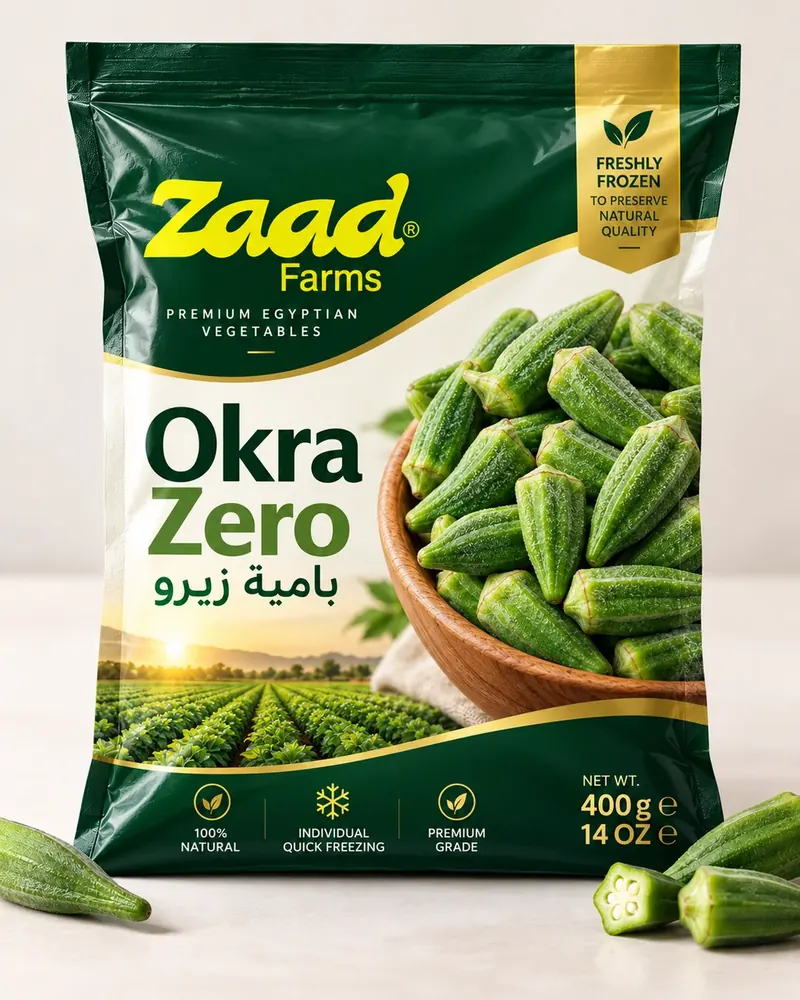
Quick answer: fresh okra suits buyers who need a short-lead, premium product and can manage a fast cold chain, while frozen okra suits buyers who want year-round supply, longer shelf life, steady quality and simpler logistics. Neither is better in every case: the right format depends on your customers, your storage and your delivery route. Always confirm cut styles, pack sizes and availability with the supplier. This guide is general information.
Why the choice matters
Okra is delicate. Fresh pods bruise, darken and lose firmness quickly, so the supply chain decides whether customers see a bright green, tender pod or a tired one. Frozen okra is processed soon after harvest, which locks in quality and lets you hold stock for months. Many importers eventually carry both: fresh for peak-season promotions and frozen as the reliable base. Our guide to Egyptian frozen okra and molokhia covers the frozen side in more detail.
Side-by-side comparison
| Factor | Fresh okra | Frozen okra |
|---|---|---|
| Availability | Seasonal, depends on harvest | Year-round from stock |
| Shelf life | Short; needs fast cold chain | Long when kept frozen |
| Texture and look | Crisp, bright, premium | Good when processed and stored well |
| Logistics | Chilled, time-sensitive, often air or fast reefer | Frozen reefer, more flexible timing |
| Waste risk | Higher if delays occur | Lower; use portions as needed |
| Preparation | Wash, trim, cut | Often pre-trimmed, ready to cook |
| Typical buyers | Ethnic retail, specialty markets | Retail frozen aisle, catering, manufacturing |
These are general tendencies. Actual performance depends on variety, harvest timing, processing and handling.
Cut styles and grades for frozen okra
Frozen okra is commonly offered whole, in small whole pods, or cut into slices. Buyers usually specify pod length or diameter range, the share of broken pieces allowed, colour, freedom from fibrous or damaged pods and foreign matter, and pack size. Small tender pods are typically valued more highly in retail. For manufacturers, cut or sliced okra may be the practical format. Agree a written specification before ordering and ask for a sample.
Specifications for fresh okra
For fresh pods, buyers typically agree length range, colour, firmness, freedom from blemish and tip damage, and the packing format. Because freshness drives value, also agree transit time, temperature and the acceptable condition on arrival. Our cold-chain guide and air versus sea freight guide explain how route choice affects delicate produce.
Food safety and documents
Whichever format you choose, ask about food-safety systems, traceability, residue testing and the documents needed for your market. Requirements differ by destination and change over time, so confirm them with your authorities or adviser. Our guide to MRL and phytosanitary documents is a good starting point. This is general information, not legal advice.
Storage and handling
Fresh okra needs cold, humid conditions and gentle handling, and should be sold quickly. Frozen okra must stay frozen without temperature swings; repeated thawing and refreezing damages texture and quality. Check temperature logs on arrival and keep the cold chain unbroken to the store. If a pallet arrives soft or with ice crystals, document it before accepting.
How to choose
If you serve specialty or ethnic shoppers who want fresh pods and can sell them within days, fresh may be worth the extra effort in season. If you supply retail freezers, restaurants, caterers or manufacturers, or need a stable programme all year, frozen is usually the practical option. A mixed approach, fresh in season and frozen the rest of the year, keeps shelves full and customers loyal.
Common mistakes to avoid
Typical mistakes include ordering fresh without a fast enough route, accepting frozen stock that has partly thawed, failing to define the cut and pod size in writing, and mixing formats without telling customers what to expect. Another is comparing only the format and ignoring the cold chain, which decides real quality.
Checklist for buyers
- Decide who your customers are and how they cook okra.
- Choose fresh, frozen or both for the season.
- Agree pod size, cut style, colour and defect limits in writing.
- Confirm the cold chain, transit time and packaging.
- Check current availability and certificates for your market.
- Inspect on arrival and keep photos and batch numbers.
Putting this into practice
Communication is as important as the paperwork. Agree who speaks to whom, how quickly questions should be answered and what happens when something goes wrong, such as a delay, a quality complaint or a missing document. Photos taken at loading and on arrival, together with batch codes and temperature records where relevant, make any discussion factual and quick. Suppliers who welcome these questions are usually the ones worth building a long relationship with.
Fresh gives premium freshness for fast sales; frozen gives stability and flexibility. Pick by customer and cold chain, then write the specification down.
Okra with Zaad Farms
We supply frozen okra and can discuss fresh options depending on season and route. Tell us your market and the format you need and we will outline realistic choices. Please confirm availability and import rules before ordering.
If you are unsure which format to begin with, a small trial shipment is a low-risk way to learn. Record texture, colour and customer feedback on arrival and a few days later, then use that evidence to plan volumes. Buyers who track results season after season usually build a steadier, more profitable okra programme.
Frequently asked questions
Is fresh or frozen okra better?
Neither is better in every case. Fresh suits fast, premium sales; frozen suits year-round supply, longer shelf life and easier logistics. The right choice depends on your customers and cold chain.
How long does frozen okra keep?
It keeps for a long time when held at a stable frozen temperature, but quality drops if it thaws and refreezes. Follow the supplier's storage guidance and best-before date.
What cut styles are available for frozen okra?
Commonly whole pods, small whole pods or sliced pieces. Confirm the exact options, pod size range and broken-piece limit with the supplier.
How should fresh okra be shipped?
Chilled, quickly and with gentle handling, often by air or a fast reefer route. Agree transit time and arrival condition before ordering.
What should I check on arrival?
Temperature records, signs of thawing or ice crystals for frozen, and colour, firmness and damage for fresh. Take photos and keep batch numbers.
Can Zaad Farms supply okra?
We supply frozen okra and can discuss fresh options by season and route. Tell us your market and format; confirm availability and import rules before ordering.