
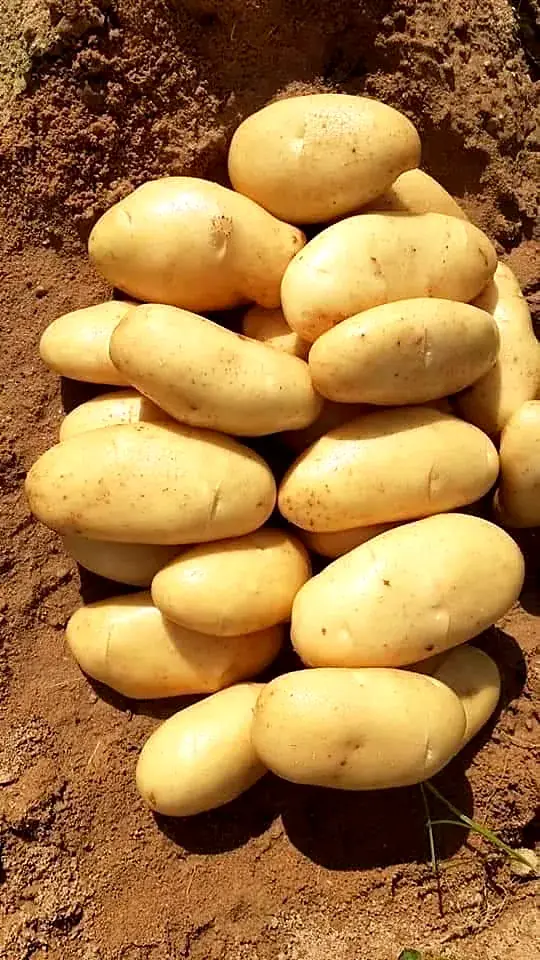
Quick answer: Spunta, Diamant and Lady Rosetta are three widely traded potato varieties with different strengths: Spunta is typically a long-oval, yellow-fleshed table potato; Diamant is a round-to-oval, white-skinned variety often used as a general-purpose table potato; and Lady Rosetta is mainly associated with processing, especially crisps and chips, because of its dry-matter and sugar profile. The right choice depends on what your customers will do with the potato, so specify variety, size, skin finish and intended use rather than just the word potato. Characteristics vary by growing conditions and season, so confirm details with your supplier. This guide is general information.
Why variety matters
Potatoes are not interchangeable. Variety affects shape, skin colour, flesh colour, texture when cooked, dry matter, sugar content and how the potato behaves when fried. A variety that makes a good boiled potato may fry poorly, and one that suits crisps may be less attractive on a retail shelf. Buyers who name a variety and an intended use avoid most disputes. Our guide to Egyptian potatoes for EU buyers explains how buyers in that market approach specifications.
The three varieties at a glance
| Variety | Typical shape and skin | Typical flesh | Common use |
|---|---|---|---|
| Spunta | Long-oval, light yellow skin | Yellow | Table potato, boiling, some frying |
| Diamant | Round to oval, white to cream skin | Cream to white | General-purpose table, sometimes fries |
| Lady Rosetta | Round, light skin | Pale yellow to white | Processing, crisps and chips |
These descriptions are general. Actual appearance depends on soil, climate, harvest maturity and storage.
Spunta
Spunta is popular in many import markets for its long-oval shape and yellow flesh, which many consumers associate with a good table potato. It is often sold washed or brushed, in graded sizes, and suits boiling and general cooking. Because of its size and shape, buyers pay attention to size grading and to defects such as greening, growth cracks and surface damage.
Diamant
Diamant is a widely grown white-skinned variety with a round to oval shape. It is frequently used as an all-round table potato and, depending on conditions and specification, may also be used by some processors. Buyers often specify a size range, skin finish and a low tolerance for green or damaged tubers.
Lady Rosetta
Lady Rosetta is mainly known as a processing variety, particularly for crisps and some chips, where low sugar and suitable dry matter help produce a light, even fry colour. If you are supplying a processor, you will usually need to discuss dry matter, reducing sugars and fry colour rather than appearance alone. See our guide to potatoes for french fry and processing supply for how processors set requirements.
What buyers should specify
Whatever the variety, a clear order names the variety, size range, skin finish (washed, brushed or unwashed), maximum defect levels for greening, damage and rot, and the packing type. For processing, add dry matter and fry-colour expectations and ask how the supplier controls storage. Our export packaging guide covers bags, cartons and pallets, and our phytosanitary documents guide explains the paperwork for fresh potatoes.
Storage, greening and sprouting
Potatoes should be kept dark, cool and ventilated. Light causes greening, which makes tubers unattractive and can be a quality concern, and warm or poorly ventilated storage encourages sprouting and rot. Ask how the supplier stores and handles the potatoes before loading and whether they are protected from light at packing.
What to inspect on arrival
On arrival, check temperature or ventilation records and open sample bags or cartons from several pallets. Look at shape and size consistency, skin finish, greening, cuts, rot, sprouting and any wetness or odour. For processing lots, also check any agreed laboratory or fry-test results. Take photos and keep lot numbers.
Common mistakes to avoid
Typical mistakes include ordering simply potatoes with no variety, assuming every variety fries well, ignoring greening and size grading, and accepting wet or dirty product without agreeing a finish. Another mistake is not stating the end use, so the supplier cannot match variety to purpose.
Checklist for buyers
- Name the variety and the intended use.
- Agree size range and skin finish in writing.
- Set tolerances for greening, damage, rot and sprouting.
- For processing, agree dry matter and fry colour.
- Confirm storage and packing conditions.
- Check phytosanitary and import requirements.
- Inspect and photograph on arrival.
Putting this into practice
Communication is as important as the paperwork. Agree who speaks to whom, how quickly questions should be answered and what happens when something goes wrong, such as a delay, a quality complaint or a missing document. Photos taken at loading and on arrival, together with batch codes and temperature records where relevant, make any discussion factual and quick. Suppliers who welcome these questions are usually the ones worth building a long relationship with.
The same potato is not right for every customer. Match the variety to the use, then write it down.
Potatoes with Zaad Farms
We supply fresh potatoes and frozen french fries. Tell us your variety, size and end use and we will discuss realistic options. Confirm availability and import rules before ordering.
Frequently asked questions
What is the difference between Spunta and Diamant?
Spunta is typically a long-oval, yellow-fleshed table potato, while Diamant is usually round to oval with white to cream skin and flesh. Both are used as table potatoes; confirm details with your supplier.
Which variety is used for crisps?
Lady Rosetta is mainly associated with crisps and some chips because of its dry-matter and sugar profile, but processors set their own requirements.
What should I specify when ordering potatoes?
Variety, size range, skin finish, tolerances for greening, damage and rot, packing type and intended use. For processing, add dry matter and fry colour.
Why do potatoes turn green?
Exposure to light causes greening. Keep potatoes dark and cool, and ask your supplier how they protect them during storage and packing.
What should I check on arrival?
Size consistency, skin finish, greening, cuts, rot, sprouting, wetness and odour. Take photos and keep lot numbers.
Can Zaad Farms discuss potato varieties?
Yes. Tell us your variety, size and end use and we will discuss realistic options. Confirm availability and import rules before ordering.