
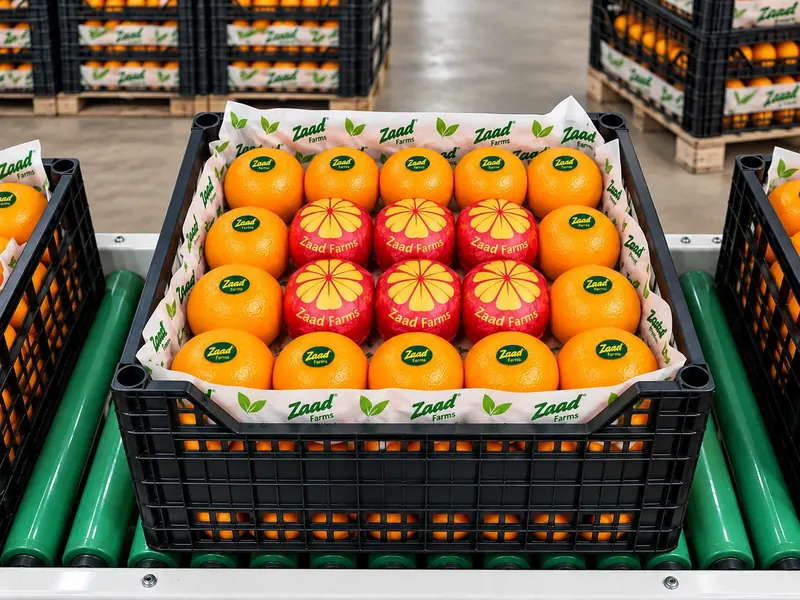
Quick answer: citrus does not keep ripening after harvest, so maturity is judged at picking using measurable indicators: Brix (the sugar level), acidity, the Brix-to-acid ratio, juice content and colour. Brix tells you how sweet the juice is, acidity tells you how sharp it is, and the ratio between the two gives a better picture of eating quality than either figure alone. Colour matters for appearance but can mislead, because citrus can turn orange before the flavour is ready or stay green while fully sweet in warm climates. Regulations and market standards set minimum maturity requirements, and buyers usually add their own targets in the contract. This guide is general information; check the current rules for your market and agree a written specification with your supplier.
What Brix means
Brix measures the dissolved solids in juice, mostly sugars, and is read with a hand-held or digital refractometer. A higher Brix generally means sweeter fruit, though it also depends on acidity. Brix rises as fruit matures on the tree and is one of the main ways to judge whether fruit is ready to harvest. It is measured on a sample of juice squeezed from a representative group of fruits, so the number depends on how the sample is taken. Always agree how many fruits are tested per lot and how the sample is selected.
What acidity means
Acidity measures the organic acids in juice, mainly citric acid, and is usually tested by titration in a laboratory or with a simple test kit. Acidity falls as fruit matures. Very high acidity makes fruit taste sharp or sour, while very low acidity can make it taste flat even when sugar is high. Different citrus types naturally have different acidity: lemons and limes are high by nature, while sweet oranges and mandarins are much lower, so targets differ by product.
The Brix-to-acid ratio
The ratio divides sugar level by acidity and is widely used as an indicator of flavour balance. A rising ratio means the fruit is moving from sharp toward sweet. Many marketing standards and buyers use a minimum ratio for oranges and mandarins as a maturity test, and the exact figure depends on the rule or contract you work under. Because the correct target depends on the product, the market and the customer's taste, we recommend agreeing a range with your supplier rather than relying on a single number found elsewhere.
Juice content and colour
Juice content is the share of the fruit's weight that is juice, and standards often set a minimum, especially for fruit sold for juicing. Colour is checked against a chart or a percentage of the surface coloured. It is useful but not a perfect guide. Our note on oranges for juicing versus table use explains how these indicators differ by end use.
| Indicator | What it shows | How it is checked | Limit of the indicator |
|---|---|---|---|
| Brix | Sweetness (sugar level) | Refractometer on juice | Depends on sample and acidity |
| Acidity | Sharpness of flavour | Titration or test kit | Differs naturally by citrus type |
| Brix-to-acid ratio | Flavour balance | Calculated from the two | Target depends on market and taste |
| Juice content | Yield and juiciness | Weigh fruit and juice | Varies with fruit size and method |
| Colour | Visual maturity | Colour chart or surface percentage | Can precede or lag flavour |
Why colour alone is not enough
Skin colour in citrus is driven by temperature as well as maturity. In warm weather the skin can stay green while the inside is sweet, and in cool nights fruit colours faster. Some markets accept green-skinned fruit if it meets the internal maturity tests, and some treat it as a defect. Because of this, buyers should specify both internal and external requirements and agree in advance how colour will be judged. Our citrus season and packing guide and mandarin varieties guide show how timing varies by type.
Maturity, harvest timing and handling
Because citrus does not sweeten after picking, early harvesting cannot be fixed by storage. Fruit picked too early may meet shipping rules but taste disappointing, and fruit picked late may soften or lose shelf life. Careful harvest timing, handling and cooling protect the quality you tested. See our guide to post-harvest handling. For grapefruit and limes, targets differ again, as described in our guide to grapefruit and limes.
Common mistakes to avoid
A frequent mistake is accepting a single Brix reading as proof of quality without knowing how it was sampled. Another is comparing numbers between different citrus types, since a good Brix for a lemon is not the same as a good Brix for an orange. A third is relying on supplier statements without any independent check, which is why many buyers use an inspection company at loading. Finally, some buyers set a target so tight that it cannot be met consistently across a season, then end up in disputes. Agree realistic ranges, a sampling method and a tolerance in writing.
Compliance and documentation
Maturity rules sit alongside other import requirements such as residue limits and plant health documents. See our guides to EU import requirements and pesticide residue testing. Rules change, so always confirm the current requirements for your market; this is general information, not legal advice.
A practical specification checklist
- State the variety and the end use (table or juice).
- Set minimum Brix, an acidity range or ratio, and minimum juice content.
- Agree how colour is judged and whether green-skinned fruit is acceptable.
- Define the sampling method: number of fruits and how they are chosen.
- Decide who tests (supplier, third party or both) and when.
- Set tolerances for fruit outside the range.
- Keep test records with the shipment documents.
Maturity cannot be added after harvest. Specify it clearly, test it properly at loading and keep the records.
Citrus with Zaad Farms
We supply oranges, mandarins, lemons and grapefruit. Share your market and quality requirements and we will discuss realistic targets. Always confirm current availability, specifications and import rules before ordering.
Frequently asked questions
What is Brix in citrus?
Brix measures dissolved solids in the juice, mainly sugars, and is read with a refractometer. A higher Brix usually means sweeter fruit, although acidity also affects taste.
What is the Brix-to-acid ratio?
The sugar level divided by the acidity. It indicates flavour balance and is widely used to judge citrus maturity. The right target depends on the product, market and rules that apply.
Does citrus ripen after harvest?
No. Citrus does not become sweeter after picking, so maturity must be right at harvest. Storage can only preserve quality, not improve sweetness.
Is green skin a sign of unripe citrus?
Not always. In warm conditions skin can stay green while the fruit is sweet inside. Some markets accept this if internal tests pass, so agree the colour rule in advance.
Who should test maturity?
Many buyers combine supplier tests with an independent inspection at loading. Agree the sampling method, tolerances and record keeping in writing.
Can Zaad Farms work to a maturity specification?
We can discuss realistic targets for oranges, mandarins, lemons and grapefruit based on your market. Confirm availability, specifications and import rules before ordering.