
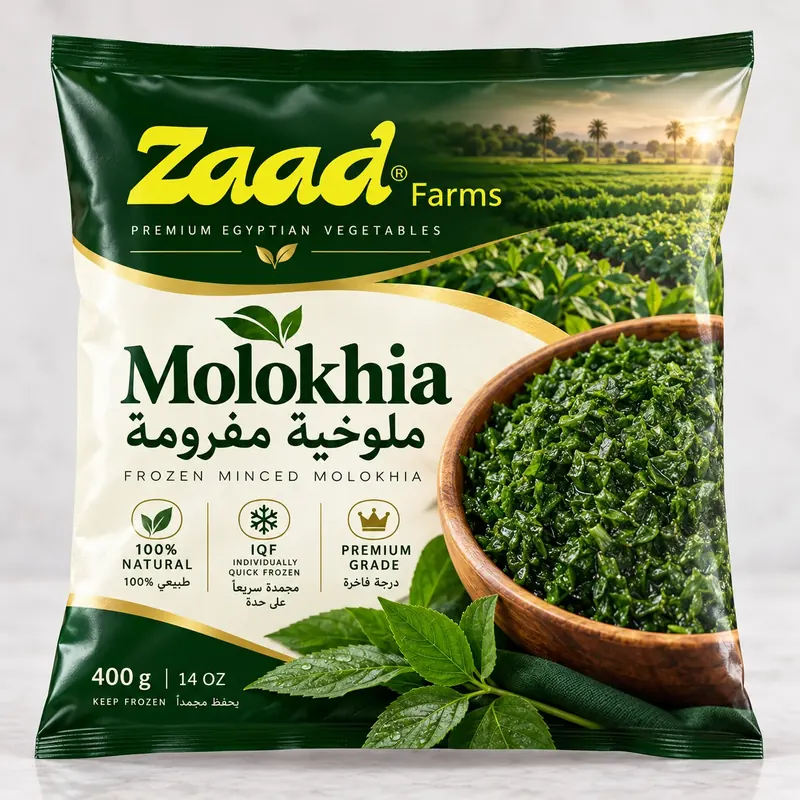
Quick answer: ethnic and specialty grocers succeed with Egyptian products when they match what their customers actually cook: frozen molokhia, frozen okra, sweet potatoes, garlic, onions, citrus and dates are common starting points. Choose a few lines, agree packaging and labelling for your market, protect the cold chain and begin with trial orders. Product choice and demand vary by community and city, so test before committing. This guide is general information.
Why Egyptian products suit community grocers
Many shoppers in Europe, the Gulf and North America look for ingredients from home or from the wider Mediterranean and Middle Eastern kitchen. Egyptian vegetables and fruit fit that demand, and Egypt's counter-seasonal harvest helps keep shelves supplied. For importers the opportunity is a mix of reliable staples and a few signature items that make the store a destination. Our guide to importing Egyptian fresh produce covers the general process.
Products that often fit
| Product | Why it sells | Format notes |
|---|---|---|
| Frozen molokhia | A signature dish with few good substitutes | Frozen pack, retail or catering size |
| Frozen okra | Staple for stews, year-round supply | Whole or cut, retail bags |
| Sweet potatoes | Everyday and festive cooking | Graded cartons |
| Garlic | Used daily in many cuisines | Bulbs in mesh or cartons |
| Onions | Core ingredient with steady turnover | Bags or cartons by size |
| Citrus | Seasonal favourites for families | Cartons, retail nets |
| Dates (frozen or dried formats) | Festive and seasonal demand | Retail packs, check format |
Treat this as a shortlist to test, not a rule. Ask your own customers and staff what they miss most.
Frozen lines: an easy starting point
Frozen products reduce waste because shoppers buy as needed and stock keeps for months. They also suit stores with limited fresh turnover. Read our guide to Egyptian frozen okra and molokhia for specifications and handling. Agree pack size, cut style and best-before dates in writing, and check your freezer capacity before ordering.
Fresh lines: higher reward, higher care
Fresh produce brings footfall and freshness, but it demands a fast cold chain and tight stock rotation. Begin with hardy items such as onions, garlic and sweet potatoes, then add more delicate lines as you learn your sales rate. See our guide to Egyptian sweet potatoes for an example of an everyday fresh line.
Packaging, labelling and private label
Labels must meet the rules in your country, which often include product name, origin, weight, best-before and importer details, in the required language. Rules change and differ by destination, so confirm with your authorities or adviser; this is not legal advice. If you want your own brand, our private label produce guide explains the options. Our export packaging guide covers carton and pack choices.
Seasonality and planning
Fresh lines follow the harvest, so plan promotions around availability. Our seasonal calendar shows when each crop is typically available. Festivals and holidays create demand peaks, so order ahead and confirm availability with the supplier.
How to start small
Pick two or three lines, order a trial in a manageable quantity and track sell-through, waste and customer feedback. Ask for a photo-confirmed specification and a sample before the first order. Reorder what sells and drop what does not. Growing gradually protects your cash flow and your reputation.
Common mistakes to avoid
Typical mistakes include ordering too many lines at once, ignoring freezer or cold-room capacity, using labels that do not meet local rules, and buying seasonal fresh items outside their window. Another is failing to ask customers what they actually want.
Checklist for grocery importers
- Ask customers which Egyptian products they miss most.
- Pick two or three lines and start with trial orders.
- Agree pack size, cut style, labelling and best-before dates in writing.
- Confirm cold-chain and storage capacity.
- Check import and labelling rules for your country.
- Track sales and waste, then reorder what works.
Putting this into practice
Review each season before planning the next one. Compare what you expected with what actually happened, list the three things that caused the most delay or cost of effort, and decide how to prevent them next time. Small improvements in specification wording, timing of confirmations and document preparation add up over a year and make future orders smoother for both sides.
Start small and keep a written record. Begin with one product, one pack type and one shipment, then note what was agreed, what arrived and what you would change. Share that note with your supplier within a few days, while details are fresh, so that corrections are specific rather than general. Ask your logistics partner and your local adviser to confirm any rule that affects your market, because requirements and procedures change and differ between countries. This is general information, not legal advice.
Start with what your customers already cook, protect the cold chain, and grow line by line from real sales.
Sourcing with Zaad Farms
We supply frozen molokhia, frozen okra, sweet potatoes and garlic, among other Egyptian lines. Tell us your community and the formats you need, and we will outline realistic options. Please confirm availability and import rules before ordering.
Review results every season. Note which products moved fastest, which needed price promotion, and which created complaints. A simple monthly record helps you decide what to expand and gives your supplier clear guidance on specifications.
Frequently asked questions
Which Egyptian products suit ethnic grocery stores?
Common starting points are frozen molokhia, frozen okra, sweet potatoes, garlic, onions and citrus, but demand varies by community. Ask your own customers and test with small orders.
Is frozen or fresh easier for a small grocer?
Frozen is usually easier because it reduces waste and keeps for months. Fresh brings footfall but needs a fast cold chain and careful rotation.
What labelling is required?
Rules vary by country and usually cover name, origin, weight, best-before and importer details in the required language. Check with your authorities or adviser; this is not legal advice.
Can I sell under my own brand?
Many importers do through private label programmes. Agree specifications and packaging in writing before the first order.
How should I start?
Choose two or three lines, order a trial, track sell-through and waste, then reorder what sells.
Can Zaad Farms supply these products?
We supply frozen molokhia, frozen okra, sweet potatoes, garlic and other Egyptian lines. Tell us your market and formats; confirm availability and import rules before ordering.