
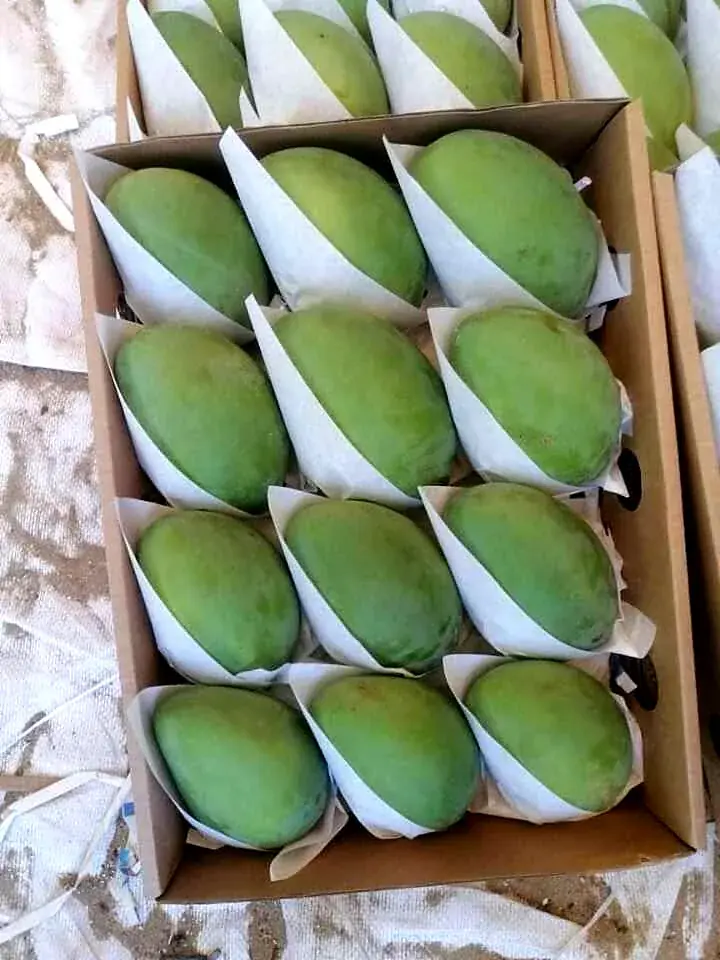
Quick answer: ethylene is a natural plant gas that speeds up ripening and ageing. Some fruits produce a lot of it (mangoes, guavas, peaches, bananas), some products are damaged by even small amounts (leafy vegetables, cucumbers, carrots, broccoli), and many are in between. To manage it, keep produce cold, keep ethylene producers apart from sensitive products, ventilate or scrub the air where needed, and ripen fruit deliberately in a controlled room rather than by accident in transit. Exact settings depend on variety, maturity and market, so confirm them with your supplier and your ripening specialist.
What ethylene is and why it matters
Ethylene is a simple gas that plants make themselves. In small amounts it acts as a signal that tells fruit to soften, change colour and develop flavour. That is useful when you want ripe fruit and harmful when you want fruit to stay firm and green for a long voyage. Because it is a gas, it moves through the air of a store or container, so one ripening fruit can affect everything around it. Understanding ethylene is therefore a core part of good post-harvest handling, alongside temperature and humidity.
Climacteric and non-climacteric fruit
Fruits fall into two broad groups. Climacteric fruits, including mangoes, guavas, peaches, bananas and avocados, can continue to ripen after harvest and produce a burst of ethylene as they do. They are often picked mature but firm so that they survive transport, then ripened near the market. Non-climacteric fruits, including citrus, grapes, strawberries and pomegranates, do not ripen further after picking and produce very little ethylene. They must be harvested at the right maturity, because they will not improve later. The distinction explains why a mango programme and a grape programme need different handling.
Which products are sensitive
Many products are hurt by ethylene even when they make none. Typical symptoms include yellowing of green vegetables such as broccoli and leafy greens, russet spotting on lettuce, bitterness in carrots, toughening in some roots and faster softening in many fruits. Cut flowers and herbs can also be affected. Sensitivity varies, so a product's tolerance should be checked before it is loaded with a producer.
| Group | Examples | Handling point |
|---|---|---|
| High ethylene producers | Mangoes, guavas, peaches, ripe bananas | Keep apart from sensitive products; ripen deliberately |
| Low producers, sensitive | Broccoli, lettuce, cucumbers, carrots, leafy herbs | Avoid mixed loads with producers; ventilate |
| Low producers, little affected | Citrus, grapes, strawberries, pomegranates | Harvest at correct maturity; they will not ripen later |
Managing ethylene during storage and transport
Temperature is the first control. Cold slows both the production of ethylene and the fruit's response to it, which is why a good cold chain is the main defence. Second, ventilation: in a reefer container, fresh-air exchange settings can remove ethylene from the load, where they are appropriate for the product. Third, separation: load strong producers and sensitive products in different containers or rooms where possible. Fourth, scrubbing: some stores use filters or catalytic units that remove ethylene from the air. Fifth, treatments: some suppliers use ethylene-blocking products on fruit that is intended to travel long distances. Each tool has a cost and a product-specific effect, so use them under advice, not by guesswork.
Mixed loads: the main risk
The most common ethylene damage in trade comes from loading incompatible products together, for example a ripening fruit with leafy vegetables, or in a shared storage room. Importers and consolidators should check a compatibility list before mixing products, and ask the shipper which items in a consolidated container produce ethylene. Our guide to container loading explains how loads are built, and the notes on LCL and FCL for small importers show why consolidation raises this risk.
Controlled ripening
For climacteric fruit, the aim is often to arrive firm and ripen near the point of sale. Ripening rooms hold fruit at a set temperature and humidity and, for some products, add a small, controlled amount of ethylene to start the process evenly. Used well, this gives uniform colour and eating quality; used badly, it causes uneven ripening, soft fruit and extra losses. Ripening protocols differ by variety and maturity, so work with a specialist. Our guides to Egyptian mango varieties and guava export explain how maturity affects shelf life, and post-harvest handling covers the steps before shipping.
Packaging and atmosphere
Packaging also interacts with ethylene. Tight film can trap the gas, while modified atmosphere packaging with the right gas mix can slow ripening in some products. This is a technical choice that should be validated for each product and route; see our guide to modified atmosphere packaging.
A short checklist
- Identify which products in your programme produce ethylene and which are sensitive.
- Keep produce cold from harvest to arrival.
- Avoid mixing strong producers with sensitive products.
- Check fresh-air and ventilation settings with your carrier.
- Harvest non-climacteric fruit only at correct maturity.
- Use a specialist-designed protocol for ripening rooms.
- Inspect on arrival for early yellowing, softening or uneven ripening.
Ethylene cannot be eliminated, but it can be managed: cold, separate, ventilated and ripened on purpose.
Ethylene and Zaad Farms products
For products where maturity at harvest matters, such as mangoes and guavas, we can discuss harvest maturity and packing for your market. Non-climacteric products such as strawberries and lemons are handled with temperature and time as the main controls. For the whole import process, read our import guide.
Frequently asked questions
What is ethylene?
A natural gas made by plants that speeds up ripening and ageing. It moves through the air, so one ripening fruit can affect others nearby.
Which fruits produce a lot of ethylene?
Climacteric fruits such as mangoes, guavas, peaches and bananas produce more. Citrus, grapes, strawberries and pomegranates produce very little.
Which products are harmed by ethylene?
Many leafy and green vegetables, cucumbers and carrots show yellowing, spotting, bitterness or faster ageing when exposed. Sensitivity varies, so check each product.
Can I load different fruits in the same container?
Only if they are compatible in temperature, humidity and ethylene sensitivity. Check a compatibility list and ask the shipper what each item produces.
Do citrus fruits ripen after picking?
No. Citrus, grapes, strawberries and pomegranates do not ripen further after harvest, so they must be picked at the right maturity.
Can Zaad Farms advise on harvest maturity for my market?
Yes. Tell us your product, market and transit time and we will discuss harvest maturity and packing options. Ripening protocols should be confirmed with a specialist.