
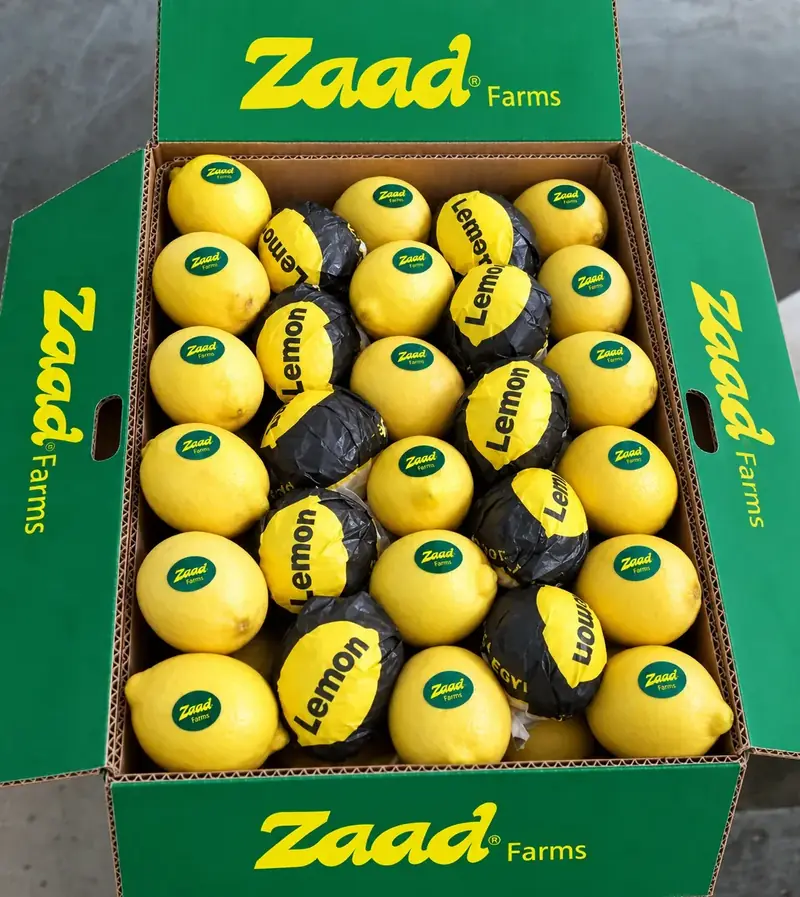
Quick answer: lemons and limes are both acidic citrus, but they are not interchangeable in the market. Lemons are typically larger, yellow when ripe, and sold for general kitchen, hospitality and juice use; limes are smaller, usually sold green, and are valued for drinks, cooking and garnish, with some markets, such as many ethnic and hospitality channels, preferring them strongly. The right choice depends on your customers, your market habits and your handling capacity. Varieties, sizes and seasons vary, so confirm specifications with your supplier. This guide is general information.
How buyers think about the two fruits
Importers often treat lemons and limes as two separate categories with different customers, different sizes and different spoilage behaviour. A supermarket may want uniform yellow lemons packed in cartons or nets; a hospitality distributor may want small green limes in bulk cartons. Understanding who will buy and how they use the fruit is the first step to choosing. Our guide to Egyptian Eureka lemons and our guide to Egyptian grapefruit and limes cover each fruit in more detail.
Key differences at a glance
| Feature | Lemons | Limes |
|---|---|---|
| Typical colour | Yellow when ripe, sometimes green early in the season | Green, sometimes yellowing with age |
| Typical size | Larger | Smaller |
| Main uses | Retail, kitchen, juice, hospitality | Drinks, cooking, garnish, hospitality |
| Skin | Thicker in many varieties | Thinner in many varieties |
| Colour sensitivity | Yellowing is normal | Yellowing may reduce appeal |
| Shelf life | Generally good with cold storage | Often more sensitive to ageing and colour loss |
These are general tendencies; actual performance depends on variety, maturity and handling.
Specifications that matter
For both fruits, buyers typically specify variety, size range, skin colour, juice content or minimum juice percentage where relevant, and defect tolerance. For limes, colour is especially important: customers expect a fresh green, so buyers often ask how the fruit is harvested and stored to maintain colour. For lemons, buyers pay attention to size, skin smoothness and sometimes to ripeness stage. Our guide to citrus maturity standards, brix and acidity explains the measures used in citrus quality control.
Shelf life and storage
Both fruits benefit from careful handling, prompt cooling and ventilated packing. Limes in particular can lose green colour and develop skin blemishes if stored too long or too warm, so timing and cold chain discipline matter. See our cold chain guide for how temperature management works. Exact storage conditions differ by variety and by the supplier's system, so ask for their protocol.
Seasonality
Availability varies through the year, and quality is best when the fruit is harvested at the right maturity within its season. Our seasonal calendar shows when each crop is typically available, and you should always confirm current availability with your supplier before planning promotions or contracts.
Choosing between them
If your customers are mainstream supermarkets and households, lemons are normally the larger, steadier category. If you serve hospitality, bars, restaurants or communities that cook with limes, limes may be the better fit, or you may want both. Some importers start with one fruit, learn the handling, and add the other later. A mixed order can work if each fruit is packed and labelled clearly.
What to inspect on arrival
Check temperature records, then open sample cartons from several pallets. For lemons, check size, skin condition, firmness and any decay. For limes, check green colour, yellowing, blemishes, firmness and mould. Take photos and keep lot numbers for any claim.
Common mistakes to avoid
Typical mistakes include treating lemons and limes as one product in an order, not stating the colour expectation for limes, ordering too far ahead of demand so the fruit ages in the cold store, and ignoring size ranges. Another mistake is not agreeing defect tolerances in writing.
Checklist for buyers
- Decide which customers you are serving and how they use the fruit.
- Specify variety, size range, colour and defect tolerances.
- For limes, agree colour expectations and handling.
- Confirm storage, packing and cold chain arrangements.
- Check current availability and season timing.
- Inspect and photograph on arrival.
Putting this into practice
Start small and keep a written record. Begin with one product, one pack type and one shipment, then note what was agreed, what arrived and what you would change. Share that note with your supplier within a few days, while details are fresh, so that corrections are specific rather than general. Ask your logistics partner and your local adviser to confirm any rule that affects your market, because requirements and procedures change and differ between countries. This is general information, not legal advice.
Lemons and limes sell to different customers. Choose by who is buying, then write the specification down.
Lemons and limes with Zaad Farms
We supply fresh lemons and fresh limes. Tell us your market and the format you need and we will discuss realistic options. Confirm availability and import rules before ordering.
If you are unsure which to start with, a small trial of each can show how your customers respond and how the fruit travels on your route. Record colour, firmness and shelf life on arrival and after several days, then use the evidence to decide on volume. Buyers who track results season after season usually build a more profitable citrus programme.
Frequently asked questions
What is the main difference between lemons and limes for importers?
Lemons are typically larger, yellow and used broadly in retail and the kitchen, while limes are smaller, usually green and valued for drinks, cooking and garnish. They serve different customers.
Do limes lose colour in storage?
They can yellow or develop blemishes if stored too long or too warm. Prompt cooling, good handling and sensible timing help protect colour.
What specifications should I set for citrus?
Variety, size range, skin colour, juice content where relevant and defect tolerances. For limes, agree colour expectations too.
Can I order both fruits in one shipment?
Yes, if each is packed and labelled clearly. Many importers start with one fruit and add the other later.
What should I check on arrival?
Temperature records, size, skin colour, firmness, decay or mould. Take photos and keep lot numbers for any claim.
Can Zaad Farms supply both lemons and limes?
We supply lemons and limes. Tell us your market and format and we will discuss realistic options. Confirm availability and import rules before ordering.