
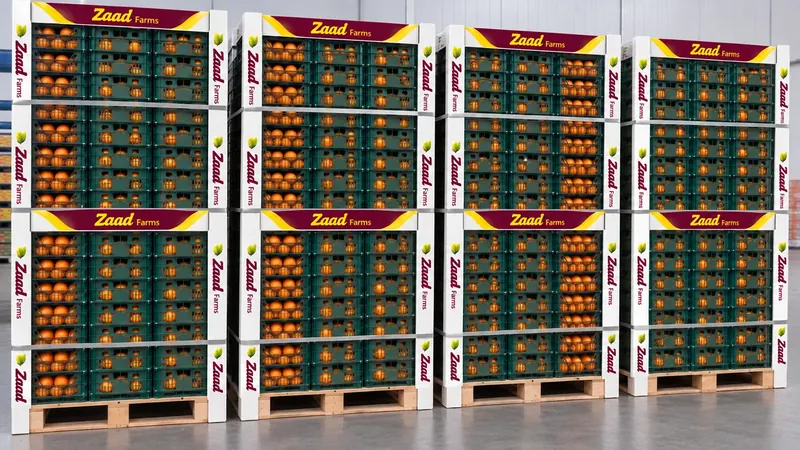
Quick answer: Russia and neighbouring CIS markets are among the main destinations for Egyptian oranges, mandarins, potatoes, onions, garlic, pomegranates and grapes. Shipments usually go by sea to Black Sea and Baltic ports, with transit of roughly 7–12 days to Russian Black Sea ports, depending on the service. The key requirements are a phytosanitary certificate, readiness for strict plant health inspection on arrival, Russian-language labelling, and conformity with the technical rules of the Eurasian Economic Union (EAEU) where they apply. Russian authorities have at times applied reinforced checks to specific Egyptian products, and the trading, shipping and payment environment can change quickly. This guide is general information, not legal or financial advice. Confirm current rules, sanctions compliance and payment arrangements with your customs broker, bank and advisers before committing to a programme.
Why Russia and the CIS buy from Egypt
Russian demand for fresh fruit and vegetables is large and, for many crops, depends on imports for much of the year. Egypt fits that demand well: its citrus season runs through the northern winter, its early potatoes and onions arrive before domestic supplies, and its pomegranates, grapes and garlic suit both retail and wholesale channels. For buyers in Kazakhstan, Belarus, Armenia and other CIS markets the same crops are often routed through Russian ports or distribution hubs. Because these are volume markets, competitive supply depends on consistent size, colour and shelf life, and on arrival condition after a voyage of one to two weeks. Our seasonal calendar shows when each crop is at its best.
Crops that sell well
| Crop | Typical role in the market | Points buyers check |
|---|---|---|
| Oranges and mandarins | Core winter fruit for wholesale and supermarkets | Size range, colour, brix and absence of decay |
| Potatoes | Early-season supply before domestic harvest | Variety, skin finish, size and strict plant health compliance |
| Onions and garlic | Staple vegetables bought in volume | Curing, firmness and sprout control |
| Pomegranates | Popular autumn and winter fruit | Skin colour, aril colour and size |
| Grapes | Seasonal retail fruit | Berry size, sugar and sulphur pad use |
| Lemons | Year-round demand for retail and foodservice | Juice content, skin and size |
Plant health inspection and certificates
Russia applies a strict phytosanitary regime to imported plant products, administered by its federal plant and veterinary surveillance service. A phytosanitary certificate from Egypt's Agricultural Quarantine authority is required and must match the consignment. On arrival, the authority may inspect the produce, take samples and test for pests and residues. Findings of quarantine pests or non-compliant residues can lead to rejection, return or destruction of the consignment and, if repeated, to reinforced checks on the exporter or product. The practical protection is a clean production programme, correct packing and sorting, and independent pre-shipment inspection and analysis. See our guides to export documents and residue rules, pre-shipment inspection and residue testing.
Labelling, language and conformity
Packaged food and fresh produce sold in Russia and the other EAEU members is normally expected to carry information in Russian, including the product name, country of origin, producer, net weight and packing date. Many importers apply Russian stickers locally, while others require printed cartons. Conformity with EAEU technical regulations on food safety and labelling may require specific documents or declarations depending on the product, so ask your customs broker which apply before the first shipment. Retail chains often add their own carton and barcode requirements. See our guide to retail and wholesale packing formats.
Routes and transit
Most Egyptian produce for Russia moves by reefer or conventional container from Alexandria, Damietta or Port Said to Novorossiysk and other Black Sea ports, or to Baltic ports with onward road or rail distribution. Typical transit to the Black Sea is about 7–12 days, but it depends on the service, any transhipment and the regional situation, so confirm schedules with the line. Seasonal peaks, when many citrus shipments compete for space, can affect availability and port congestion. Read our guide to shipping routes and transit times, and plan inland delivery before the vessel arrives so that cold chain is not broken at the port.
Contracts, payment and compliance
Because the trading and banking environment around Russia can change, agree commercial terms carefully and in writing: product specification, Incoterm, documents, inspection rights and a claims procedure. Our guide to FOB, CFR and CIF explains how responsibility is divided. Payment methods, permitted banks and any sanctions-related restrictions are matters for both parties' banks and legal advisers, and they can change. Do not assume that a payment route available last season will be available now, and do not start loading until payment terms are confirmed.
A practical checklist for buyers
- Agree a written specification covering size, colour, packing and shelf life.
- Confirm the phytosanitary requirements for your product and any recent changes in inspection practice.
- Request laboratory residue results before loading and keep copies of inspection reports.
- Agree Russian-language labelling and who applies it.
- Confirm port of entry, inland transport and cold storage on arrival.
- Agree payment terms and compliance steps with your bank before shipment.
In Russia and the CIS, the shipment that arrives clean and on time wins repeat orders. Preparation before loading matters more than negotiation after arrival.
Working with Zaad Farms
Tell us the crop, volume, destination and your labelling needs, and we will suggest a packing and shipping plan and confirm the documents and testing we can supply. For private-label or branded cartons, see our guide to private label programmes, and read the import guide for the general process.
Frequently asked questions
Which Egyptian products does Russia import most?
Citrus such as oranges and mandarins, potatoes, onions, garlic, pomegranates, grapes and lemons are among the main imports.
How long does shipping take from Egypt to Russia?
Roughly 7–12 days to Russian Black Sea ports, depending on the service and any transhipment. Confirm schedules with the shipping line.
What inspections apply on arrival in Russia?
Russian plant health authorities may inspect and sample produce and check certificates. Findings can lead to rejection or reinforced checks, so independent pre-shipment inspection is important.
Does the produce need Russian labelling?
Normally yes. Product name, origin, producer, weight and packing date are expected in Russian, applied either on the cartons or locally on arrival.
Are payment and sanctions rules a concern?
They can be. Payment routes and restrictions change, so confirm them with your bank and legal advisers before shipping, and agree terms in writing.
Can Zaad Farms prepare cartons and documents for this market?
Yes. Tell us the crop, destination and labelling needs and we will propose packing and confirm the documents and testing we can supply.