
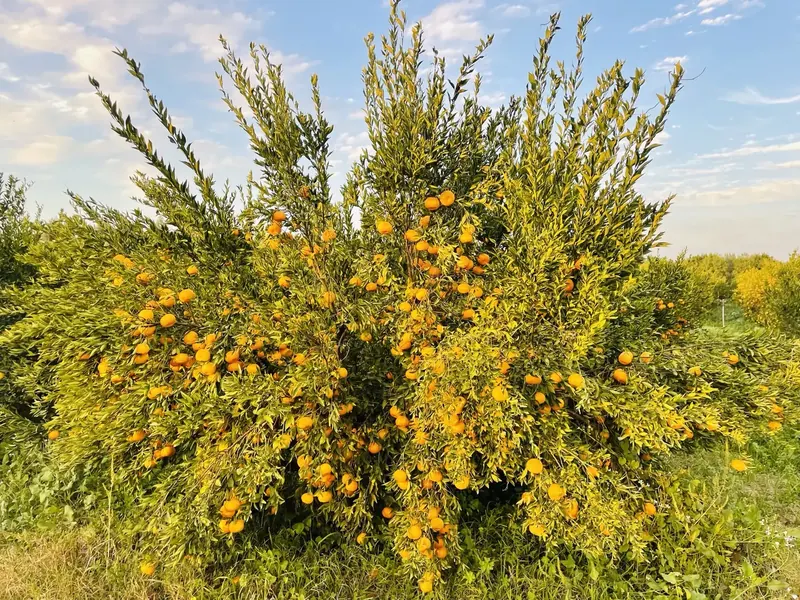
Quick answer: counter-season supply means buying produce from a country whose growing season falls when your local or usual suppliers are out of season. Egypt's mild winters and early springs let it harvest citrus, strawberries, onions, potatoes, grapes and many vegetables in months when northern European fields are cold or empty, and the short sea route to the Mediterranean and Europe keeps transit times manageable. The benefit is continuity of supply and often a fresher product than a long-distance alternative, but it depends on realistic timing, variety choice and good planning. Harvest windows shift with the weather each year, so treat any calendar as a guide and confirm with your supplier. This guide is general information, not a forecast.
What counter-season means in practice
Importers and retailers in northern Europe produce many crops locally in summer and autumn, then rely on imports in winter and spring. Egypt sits in a warm, dry climate where many crops grow through the cooler months and some, such as early potatoes, reach the market before European harvests begin. That timing gap is the commercial opportunity. Buyers use it to keep shelves supplied, to bridge the end of one origin's stored crop and the start of the next, and to diversify away from a single supplier country. Our seasonal calendar of Egyptian produce shows when each crop is typically available.
Typical windows by crop
Exact dates vary by region, variety and weather, so the table gives general patterns only. Confirm the specific weeks with your supplier before you plan promotions or contracts.
| Crop | General Egyptian window | Why it fits a gap |
|---|---|---|
| Navel and Valencia oranges | Roughly late autumn to late spring | Fills the northern winter, when local fruit is unavailable |
| Mandarins | Roughly autumn to early spring | Peak demand around winter holidays |
| Strawberries | Roughly winter into spring | Early fruit before northern field strawberries |
| Early potatoes | Roughly winter to spring | Bridges the gap before local new potatoes |
| Onions | Roughly spring into summer | Supplies the period when stored onions run low |
| Table grapes | Roughly late spring into summer | Early season ahead of many other origins |
| Pomegranates | Roughly late summer into autumn | Extends the season for a popular fruit |
Citrus: the main winter bridge
Citrus is the backbone of Egypt's winter exports. Navel oranges start the season, followed by Valencia, with mandarins and lemons in their own windows. Fruit that develops in cool nights and warm days typically shows good colour and sweetness. Packing for different markets and varieties is covered in our guide to the Egyptian citrus season and packing. Because the season is long, importers can plan repeat shipments rather than a single large order.
Strawberries, potatoes and other early crops
Early crops carry both opportunity and risk. Strawberries and new potatoes can reach buyers before local supply and often command strong interest, but they are sensitive to weather swings and need quick, cold handling. Plan for variability in volume and size in the first and last weeks of a window, and agree in advance how substitutions or partial shipments are handled. Hot spells or unusual rain can move a harvest by a week or more in either direction.
Summer and autumn counter-season
The counter-season idea also works the other way for crops like grapes and pomegranates, which arrive before or after the main harvests of other origins. Early grapes can precede the peak of other suppliers, and late-season pomegranates extend availability into autumn, see our guides to Egyptian table grapes and Wonderful pomegranates. Buyers who plan around the edges of a season often get the most value, provided quality and variety suit their customers.
Risks to plan for
Counter-season supply is not risk-free. Weather can delay or advance harvest, a season's first and last fruit may be less consistent and shipping disruptions can lengthen transit. Currency and market conditions can change quickly. To manage this, diversify across several crops and regions, keep a buffer in your schedule, set clear specifications and keep communication open about the crop's progress. For modes and timing of shipping, see our comparison of air versus sea freight for produce and our cold chain and reefer guide.
Planning ahead with your supplier
The best counter-season programmes are planned before the season starts. Share your expected weekly volumes, preferred varieties, size and packing requirements and delivery windows so the supplier can plan the crop and packing. Agree how volumes may flex up or down, how quality is assessed on arrival and what happens when a shipment is delayed. For a structured approach, see our guide to annual contracts and season planning. Regular communication in the weeks before and during the window is worth more than any single clause.
A checklist for counter-season buying
- Map your supply gaps by week and match them to crop windows.
- Confirm expected start and end dates with the supplier and treat them as estimates.
- Choose varieties that suit the window and your market.
- Agree specifications, packing and arrival checks in writing.
- Build a schedule buffer and agree how delays and partial shipments are handled.
- Diversify across crops so one weather event does not empty the shelf.
- Review each shipment and adjust the plan for the rest of the season.
Counter-season buying works best when you plan with the calendar, not against it, and keep a buffer for the weather.
Counter-season supply with Zaad Farms
Our range covers crops that fit many windows, including oranges, mandarins, grapes and pomegranates. Tell us your gaps, market and volumes and we will discuss realistic timing and packing. Always confirm current availability, specifications and documents for your market before ordering.
Frequently asked questions
What is counter-season supply?
Buying produce from a country whose season falls when your usual local or regional suppliers are out of season, so that you can keep shelves supplied year-round.
Which Egyptian crops fit the northern winter gap?
Citrus such as navel and Valencia oranges and mandarins, early strawberries, early potatoes and many vegetables, with exact windows depending on region, variety and weather.
Are the harvest dates guaranteed?
No. Weather can move harvest windows by a week or more in either direction. Treat calendars as guides and confirm timing with your supplier.
What are the main risks?
Weather variability, less consistent fruit at the start and end of a window, shipping delays and market changes. Diversifying crops and keeping a schedule buffer reduce the risk.
How should I plan with a supplier?
Share expected weekly volumes, varieties, sizes, packing and delivery windows before the season, and agree how volumes can flex and how delays and quality are handled.
Can Zaad Farms discuss counter-season programmes?
Yes. Tell us your supply gaps, market and volumes and we will discuss realistic timing and packing. Confirm current availability and documents before ordering.